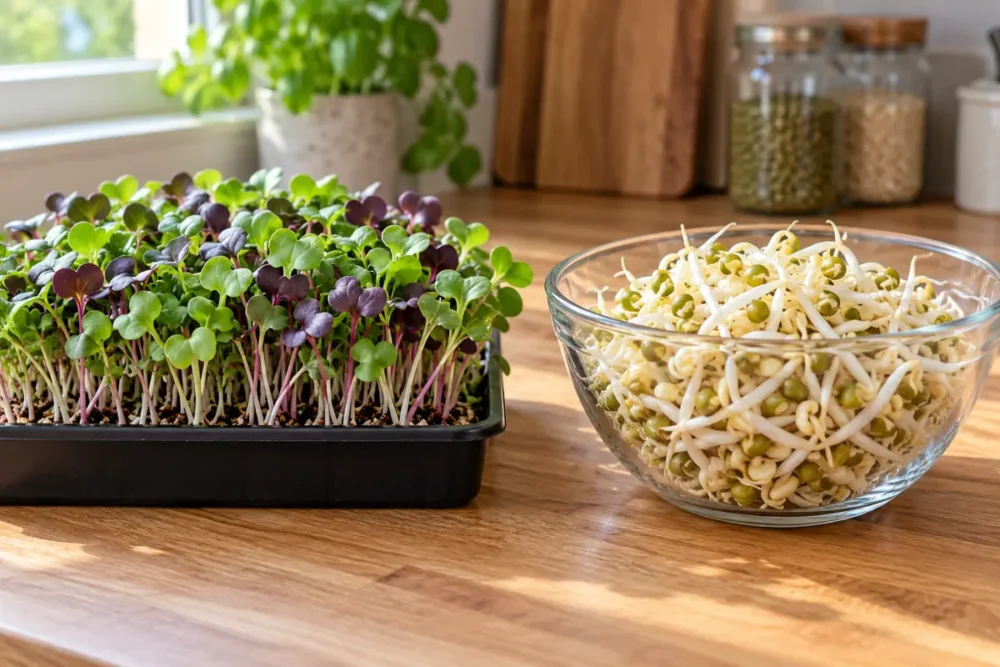
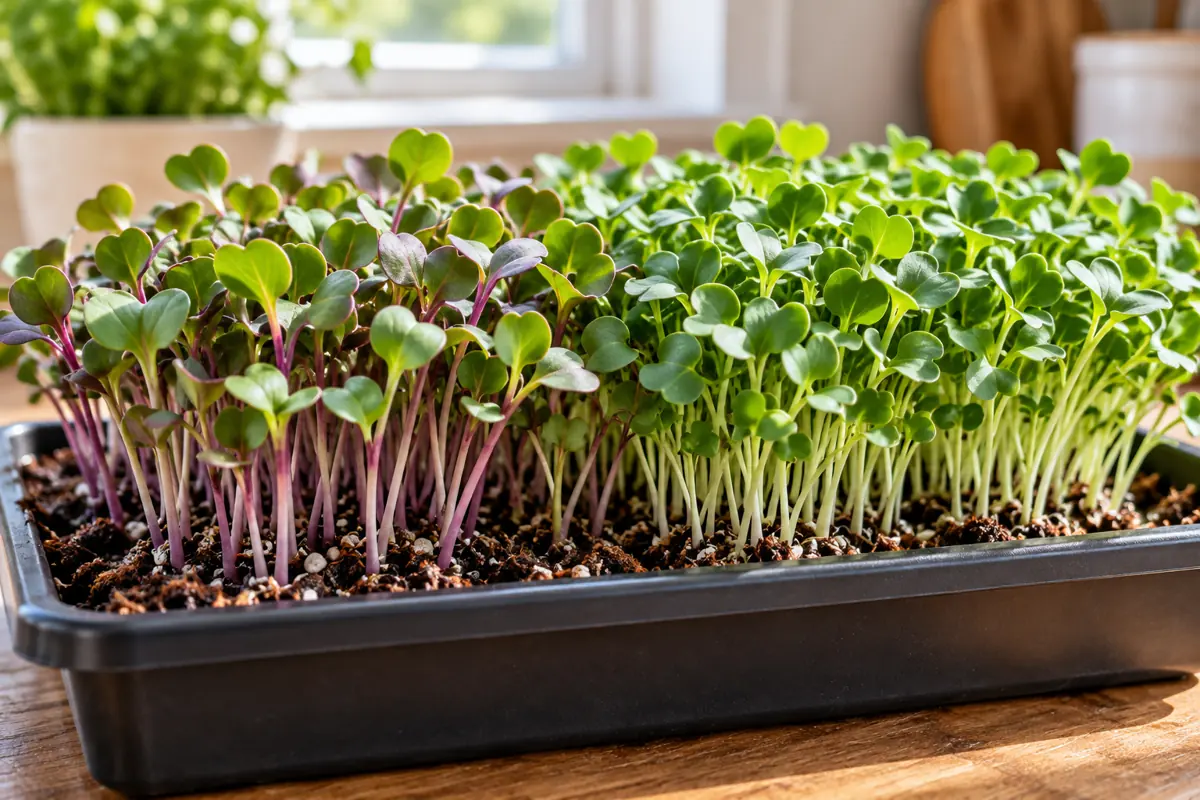
Microgreens are leafy seedlings cut above their growing medium; sprouts are germinated seeds eaten with the root and often the seed coat. They can start with some of the same seeds, but the harvest and growing setup are different. If you want a leafy garnish or a tray crop, choose microgreens. If you want whole germinated seeds for a cooked dish, choose sprouts and pay close attention to food safety.
Microgreens vs. sprouts at a glance
| Question | Microgreens | Sprouts |
|---|---|---|
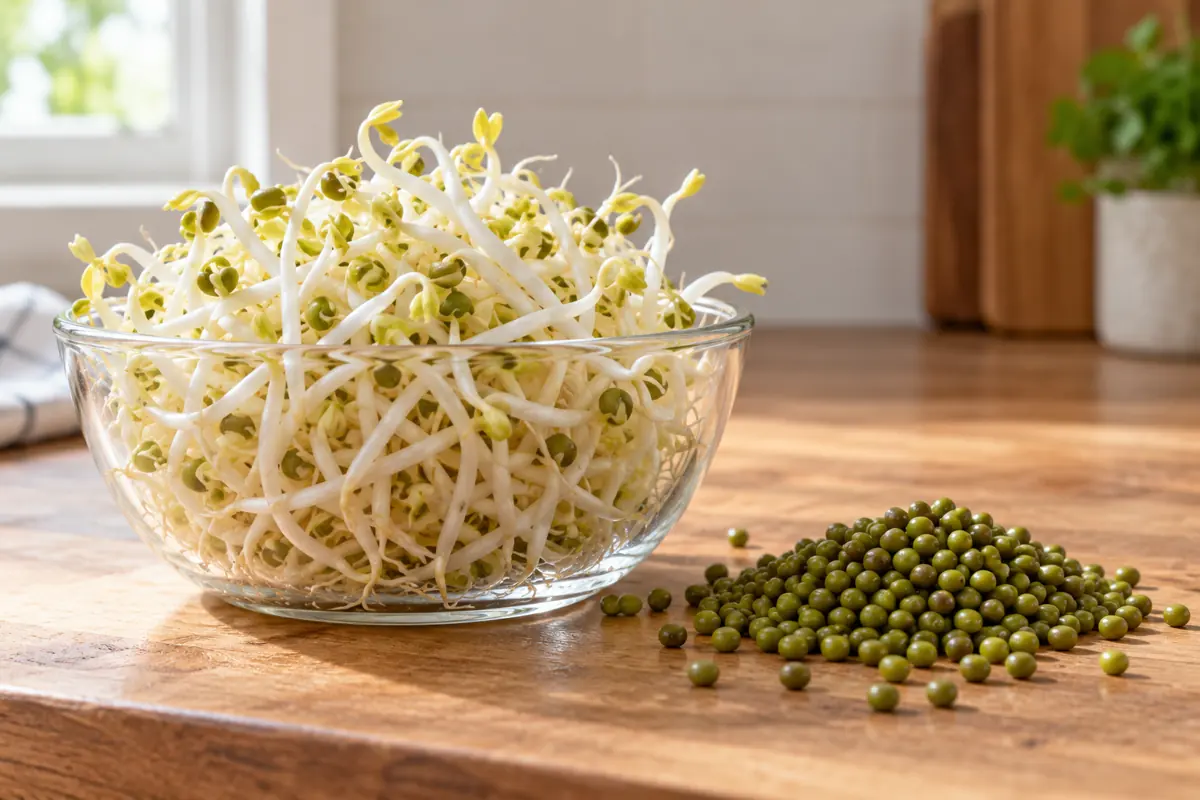
| What do you eat? | Stems and young leaves, cut above the medium; roots remain behind | The whole germinated seedling, including root and often seed coat |
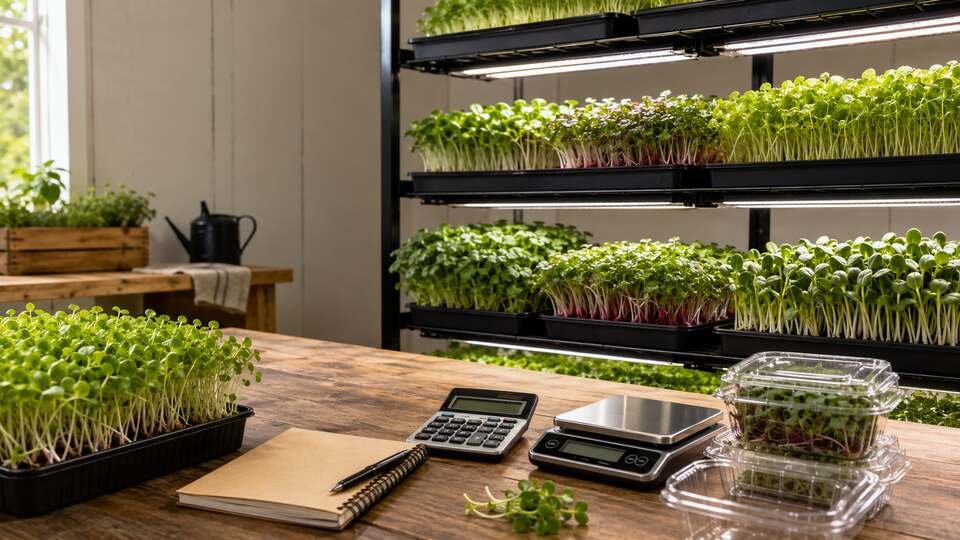
| How are they grown? | In a shallow tray with a growing medium, water, and light after germination | Seeds germinate in a moist sprouting system; usually no growing medium |
| When are they harvested? | After leaves have developed, according to the crop | At the earlier germinated-seed stage |
| What are they like to eat? | Leafy, with flavors that vary from sweet pea to peppery radish | Whole shoots and roots; texture and flavor vary by seed |
| What about raw-food safety? | Clean seed, water, equipment, and handling still matter | Raw sprouts are a recognized higher-risk food; cooking is the safer choice for people at increased risk |
Penn State Extension’s explanation describes the harvest distinction. The size, exact number of days, and flavor depend on species and conditions, so a single timetable or nutrition ranking would be misleading.
Why the food-safety difference matters
Warm, moist sprouting conditions can also let harmful bacteria multiply if the seed is contaminated. The FDA identifies seed as a likely source in many sprout outbreaks. Rinsing a jar is part of routine sprout care, but it cannot make contaminated seed reliably safe.
FoodSafety.gov lists raw sprouts as a higher-risk choice for people more likely to become seriously ill from food poisoning and cooked sprouts as a lower-risk choice. This includes pregnant people, young children, older adults, and people with weakened immune systems. Follow current public-health advice for your situation; do not assume a home-grown raw batch is safer because it looks or smells fresh.
Microgreens also need careful handling. They are often eaten raw, and contaminated water, equipment, seed, or surfaces can create risk. Penn State Extension’s microgreens food-safety guide emphasizes clean water and controls during production and harvest. Use seed intended for edible crops, clean food-grade trays and tools, and discard greens that show spoilage.
Are microgreens more nutritious than sprouts?
Neither category wins across every nutrient and seed type. The nutrient content changes with the species, harvest stage, growing conditions, and the amount you eat. A claim that all microgreens have more vitamins than all sprouts would compare unlike crops. Choose them for a meal you enjoy and keep eating a variety of vegetables rather than relying on a supposed nutrient multiplier.
Flavor is a more useful first test. Radish microgreens can be peppery; pea shoots taste closer to fresh peas. Our seven-variety tasting guide compares uses in salads, sandwiches, and finished dishes.
Which should you grow at home?
A tray of microgreens is a practical starting point if you want leafy greens and can provide a clean shallow container, suitable growing medium, water, and light. Try one seed type first so you can judge growth and flavor. The beginner variety guide helps you choose, and the indoor tray guide covers sowing, watering, and harvest. For a medium-free tray, see how to grow microgreens on mats.
Sprouts use a different routine and a different safety decision, especially if anyone in your household is at higher risk from foodborne illness. For cooking, mung bean sprouts can add crunch to a stir-fry. Handle and cook them according to food-safety guidance rather than treating a quick rinse as a kill step.
Quick choice: Grow microgreens for cut, leafy shoots and varied flavors. Choose cooked sprouts when you want whole germinated seedlings in a hot dish. Either way, start with appropriate seed and clean equipment.