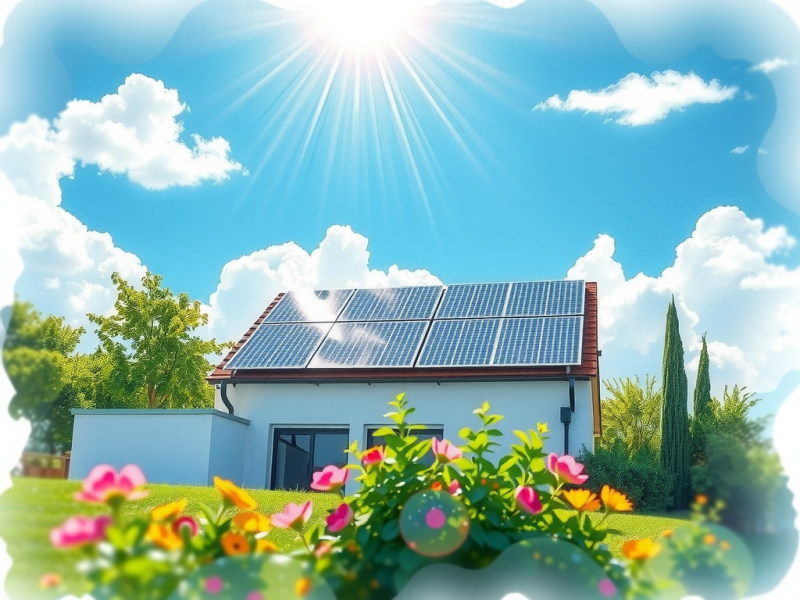
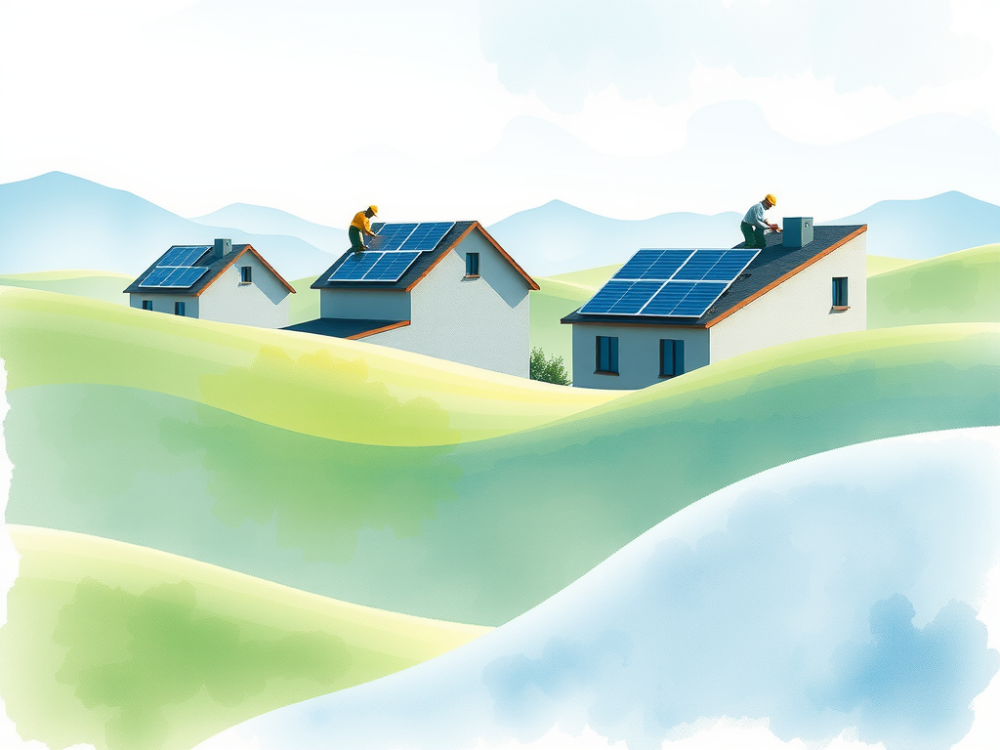
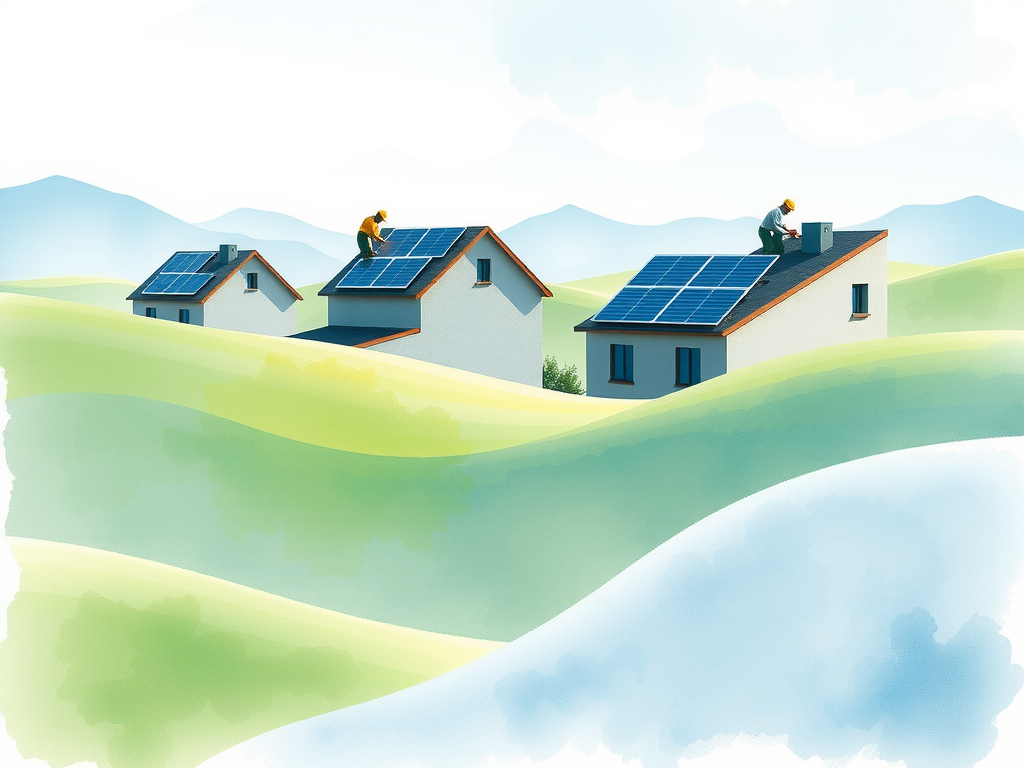
Installing solar panels provides a way to harness solar energy for your home. Begin with an energy audit to evaluate your electricity needs and property suitability.
This assessment helps determine if solar technology fits your requirements.
Next, coordinate with a professional installer to inspect your roof structure and choose suitable photovoltaic systems.
After this, obtain necessary installation permits and utility interconnection approvals to comply with local regulations.
The actual installation process includes:
- Mounting the panels securely.
- Connecting them to the solar inverter.
- Conducting a safety inspection.
- Testing the system for performance.
Following these steps ensures a safe, efficient setup that leads to significant energy savings.
Click here to learn more about: how to make homemade soap at home
Choosing The Right Solar Technology
Selecting the right solar technology impacts your overall energy efficiency. Different options, such as monocrystalline and polycrystalline panels, help match technology to your specific energy needs. Monocrystalline panels often provide higher efficiency. They typically come at a higher cost. Polycrystalline panels are more affordable but slightly less efficient.
Energy Consumption Patterns
Successful installations benefit from informed choices. For example, residential homes may prefer monocrystalline panels for optimal energy production. Commercial buildings often choose polycrystalline panels for cost management.
Key Considerations
When selecting solar technology, consider:
- Roof orientation: Optimal placement ensures maximum sunlight exposure.
- Shading analysis: Assess potential obstacles that may block sunlight.
- Financial incentives: Local programs may reduce upfront costs through tax credits and solar rebates.
Make informed choices based on your energy goals and property layout. A well-planned system design enhances performance and reliability.
How Does Roof Orientation Affect Installation
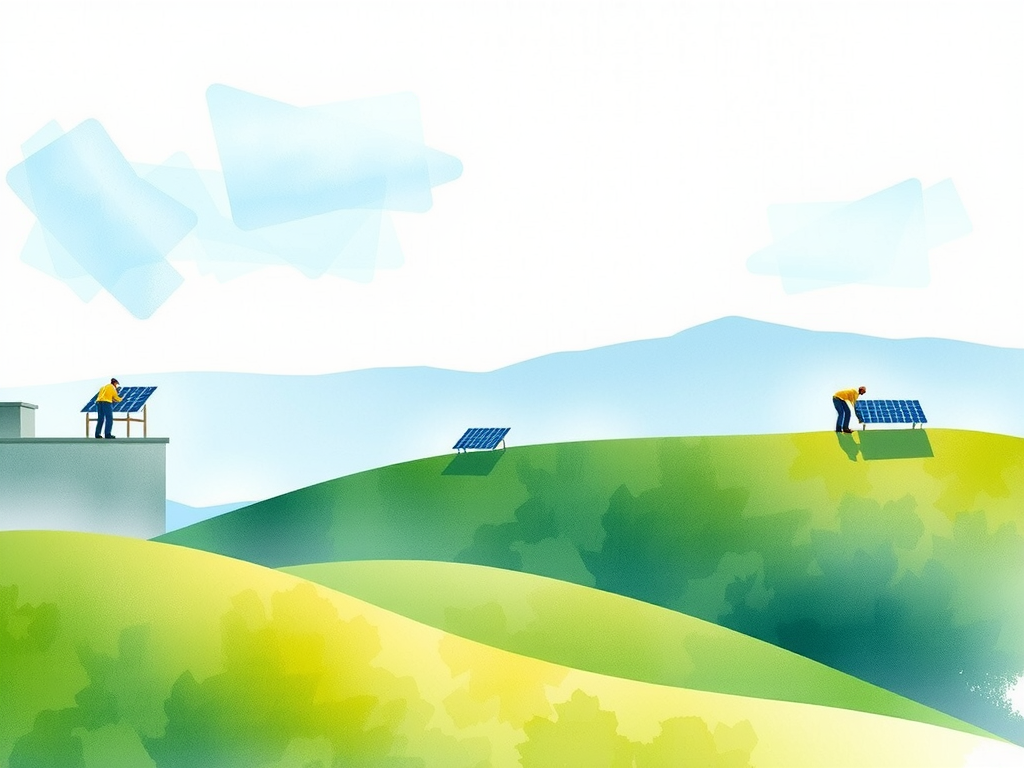
Roof orientation plays an important role in maximizing solar energy production. Optimal roof orientation can significantly enhance solar gain and energy efficiency.
Ideally, a roof facing south captures the most sunlight during the day.
Local climate influences the best roof angles for photovoltaic systems.
For example, a steeper angle might be beneficial in snowy regions to prevent snow accumulation. Assessing your roof’s orientation is straightforward; use a compass or a smartphone app to determine the direction.
Consulting with a qualified solar installer can provide tailored insights based on your specific roof characteristics.
Key Factors in Roof Orientation
The direction your roof faces greatly impacts energy production. Solar panels perform best when facing the equator.
Other factors include shading from nearby trees or buildings which can reduce efficiency.
Conducting a shading analysis is essential to identify potential obstructions.
Practical Steps for Assessment
To evaluate your roof’s orientation, consider these steps:
- Use a compass to find true south.
- Take note of any potential shading factors.
- Consult with professionals for a detailed energy audit.
Understanding Installation Permits And Regulations
Navigating installation permits and regulations is necessary for a successful solar project. Each region has specific permits required for solar installations. Common permits include building and electrical permits, as well as utility interconnection agreements. Regulations may vary significantly between cities and states, so it is vital to check local codes.
Common Permits Required
Typical permits needed for solar installations include:
- Building permits to ensure structural integrity.
- Electrical permits for safe wiring connections.
- Utility interconnection agreements for grid access.
Tips for Navigating the Permit Application Process
Efficiently navigating the permit application process can expedite installation.
- Prepare all necessary documents in advance.
- Work with a knowledgeable solar installer to simplify the process.
- Be aware of local municipality requirements to avoid delays.
Roof Orientation and Installation Permits
- Solar panels can increase energy production by up to 30% when optimally oriented towards the sun.
- Proper roof orientation can significantly reduce the payback period for solar investments.
- Regulatory compliance is essential; failure to obtain the right permits can lead to fines or project delays.
- Consulting with professionals can enhance the efficiency of the permit application process, saving time and resources.
Importance Of Site Survey For Solar Panels
Conducting a thorough site survey is essential for successful solar panel installation. Factors such as shading and available space directly impact overall system performance.
Assessing shading from trees or buildings helps prevent major efficiency losses.
Understanding roof orientation ensures optimal sunlight exposure for energy generation.
A detailed site assessment minimizes long-term maintenance costs and boosts system reliability.
Key elements assessed during a site survey include:
- Shading analysis to identify any obstacles.
- Roof structure compatibility for mounting.
- Space availability for solar equipment.
Tools like solar pathfinders can identify potential shading issues. Using online solar calculators assists in initial assessments. Proper preparation through a site survey leads to improved installation success and enhanced energy efficiency, making it a critical step in the process.
What Is Involved In Electrical Wiring
Electrical wiring connects panels to the solar inverter in systems. Safe and reliable connections are fundamental for efficiency and safety. Following local electrical codes is necessary to meet required safety standards. Employing a qualified electrician is vital for complex installations, ensuring compliance and safety.
Hiring a qualified electrician ensures safe and compliant wiring in solar installations.
Checking all wiring components for integrity is important. Conduct regular performance checks to maintain system health. A checklist can guide safe wiring practices, ensuring a seamless integration of your photovoltaic system into your home’s electrical setup.
Checklist for Safe Wiring Practices
- Verify all connections are tight.
- Ensure proper insulation is in place.
- Test continuity and voltage.
Following this checklist helps ensure that your system meets all necessary standards.
| Site Survey Factors | Impact on Solar Panel Installation |
|---|---|
| Shading Analysis | Prevents efficiency losses by identifying obstacles. |
| Roof Structure Compatibility | Ensures secure mounting and stability of panels. |
| Space Availability | Determines the capacity for solar equipment installation. |
| Electrical Code Compliance | Ensures safety and reliability of wiring connections. |
Evaluating Performance Testing After Installation
Thorough performance testing follows the successful installation of solar panels. Energy efficiency assessments completed before installation offer important context.
Conducting these efficiency tests confirms that the solar panels generate the expected energy output.
Visual inspections check for any installation errors that may need correction.
Interpreting these results helps in effective system optimization. Regular evaluations of performance should occur every six months during the first year.
Consistent monitoring ensures the solar energy system operates efficiently and meets energy goals.
Ensuring Safety Inspection Compliance
Conducting a safety inspection after installation is essential for overall system reliability. Electrical wiring checks verify that all connections are secure and comply with local codes.
Key components of a safety inspection include:
- Evaluating the structural integrity of the installation.
- Verifying compliance with relevant building codes.
- Checking for proper installation of solar racking and hardware.
Failure to meet these safety standards can lead to serious hazards, such as electrical fires. To prepare effectively:
Gather all installation documents and follow an inspection checklist.
Addressing any issues before the final inspection can minimize potential delays. This ensures your solar energy system operates safely and efficiently.
Performance and Safety Inspections
- Regular performance evaluations can increase energy output by identifying inefficiencies.
- Safety inspections can reduce the risk of electrical hazards by ensuring compliance with local codes.
- Visual inspections can catch installation errors early, preventing costly repairs later.
- Monitoring every six months during the first year helps maintain optimal system performance.
Exploring Financial Incentives For Solar Projects
Financial incentives play a key role in making solar energy projects affordable. Many federal, state, and local programs help reduce installation costs for solar panels.
For example, the Investment Tax Credit (ITC) allows a percentage of installation costs to be deducted from your federal taxes.
Many local governments offer solar rebates that provide direct cash back after installation.
Homeowners should examine specific incentives available in their areas to maximize savings.
By combining these financial benefits, it is possible to significantly lower upfront costs while promoting the adoption of renewable resources.
Understanding Tax Credits and Rebates
Tax credits and rebates are essential in reducing the total costs of solar panel systems. The ITC allows you to deduct 30% of your solar installation costs from your federal taxes.
This means that if you spend $20,000 on your solar system, you could receive a tax credit of $6,
Many states also offer their own tax credits, which can further decrease costs.
Local rebates can sometimes provide thousands in cash back as soon as the installation is complete. Combining federal and local incentives can significantly enhance financial benefits.
How to Maximize Financial Benefits
To maximize the advantages of financial incentives, homeowners should:
- Research available solar rebates and tax credits in your state and locality.
- Work with a seasoned solar installer familiar with the incentive programs.
- Ensure all documentation is complete for utility interconnection and incentive applications.
Proper planning and engaging with professionals are crucial for taking full advantage of the available programs. This will lead to better savings and help meet energy goals.
Financial Incentives for Solar Projects
- The Investment Tax Credit (ITC) allows homeowners to deduct 30% of solar installation costs from their federal taxes.
- Many states offer additional tax credits, which can further lower the overall cost of solar panel systems.
- Local solar rebates can provide immediate cash back, sometimes amounting to thousands of dollars after installation.
- Combining federal and local incentives can lead to significant savings, enhancing the financial feasibility of solar energy adoption.