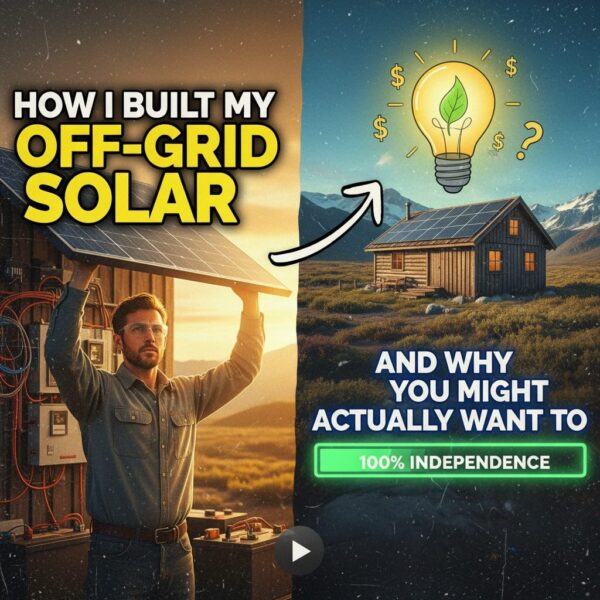
Sustainable living has taken a giant leap forward in recent years, and I’m stoked to share my journey with you. As someone who’s been tinkering with eco-friendly solutions for over a decade, I’ve seen the game change dramatically.
Gone are the days when going green meant sacrificing comfort or convenience.
I remember when I first decided to ditch the grid and embrace a more sustainable lifestyle.
It was a mix of excitement and terror, to be honest. My first winter off-grid was a real eye-opener.
I’d installed a wood stove in my cabin, thinking I’d cracked the code to sustainable heating. Boy, was I in for a surprise!
The heat from that wood stove was intense and comforting, far surpassing any solar thermal or geothermal system I’d experienced before.
Understanding Off-grid Heating Basics
The world of off-grid heating is complex, going beyond simply turning up a thermostat. Years of hands-on experience have taught me the intricacies of staying warm when far from conventional power sources. Heat transfer occurs through conduction, convection, and radiation. Grasping these concepts is crucial for maintaining comfort in an off-grid setting. My first winter in a remote cabin showed the importance of these principles. I had underestimated the heat needed and the significance of incorporating passive solar design into my heating strategy.
Efficient off-grid heating often combines multiple technologies. For example, a radiant floor system powered by a pellet boiler can provide consistent warmth, while a rocket mass heater offers intense heat during the coldest days. Adding passive solar design techniques, such as strategically placed windows and thermal curtains, can greatly reduce overall energy use. Insulation plays a critical role in maintaining warmth. High-quality insulation, paired with energy-efficient windows and proper sealing, can significantly reduce heat loss. This increases comfort and decreases the workload on your heating system, saving valuable resources.
The source of your heating energy is another key factor. Some may use propane furnaces or electric resistance heaters powered by a photovoltaic array and battery bank, while others might choose more sustainable options like biomass or geothermal systems. Each has its pros and cons, and the best choice often depends on your specific location and available resources. A wood stove, for instance, can be an excellent primary or backup heat source in many off-grid situations.
Understanding these off-grid heating basics can transform a challenging experience into a comfortable and sustainable lifestyle. It’s an ongoing learning process, but with each season, you’ll gain valuable insights into creating an efficient and cozy off-grid home. The key is to consider your specific needs, available resources, and local climate when designing your off-grid heating system. By combining various heating methods and focusing on energy efficiency, you can create a reliable and comfortable heating solution for your off-grid home.
Exploring Solar Thermal Solutions
Solar thermal solutions offer a powerful way to use the sun’s energy for heating, adding to the off-grid heating methods we’ve covered. These systems can change how we warm our spaces, providing a sustainable option for many homes.
I remember seeing my first solar thermal setup on a roof in Arizona. I was amazed to watch hot water flow from dark panels. The simple yet effective system left a strong impression on me.
These sun-powered heating systems work well for people living far from cities or those wanting energy independence. They use the sun instead of expensive electricity or fuels. A few well-placed collectors can greatly boost heating efficiency, especially when used with other eco-friendly technologies like infrared panels and trombe walls. Solar thermal setups pair nicely with wood stove heating to create a more complete off-grid system.
Solar Thermal Energy Benefits
- Provides hot water and space heating without standard energy sources
- Great for remote areas and energy self-sufficiency
- Improves efficiency of other heating systems
- Works well with various sustainable heating methods
- Cuts carbon footprint and long-term energy costs
- Needs little upkeep once installed
Solar thermal tech has improved a lot recently. New systems can now capture and store heat well even in cold climates, making them useful in more places. When combined with good insulation and energy-efficient windows, solar thermal heating can greatly reduce or even remove the need for traditional heating sources. Passive solar design principles can further enhance the effectiveness of these systems.
As we look at sustainable heating options, it’s clear solar thermal solutions are key for eco-friendly living. Whether used as the main heat source or part of a mixed system, this tech offers a strong tool for those wanting to lower their environmental impact while staying warm at home. Combining solar thermal with a heat pump or geothermal system can create an even more efficient and renewable energy setup.
Wood Stove Vs Pellet Boiler
Wood stoves and pellet boilers are two popular heating options for off-grid living. These systems offer unique benefits for those seeking sustainable warmth in remote locations. Personal experience with both has shown valuable lessons about efficiency and comfort.
Wood Stoves: Traditional Charm and Simplicity
Wood stoves provide a cozy atmosphere and radiant heat. They’re easy to use and can use locally sourced fuel, making them ideal for areas with plentiful wood resources. Many winters have been spent enjoying the steady warmth of a trusty wood stove. However, they need regular attention and manual fuel loading. Wood stoves typically use logs as fuel and provide localized heat, which can be enhanced with a heat pump for better distribution.
Pellet Boilers: Automated Convenience and Precision
Pellet boilers offer automated convenience and precise temperature control. These systems use compressed wood pellets, providing consistent heat output with minimal intervention. The efficiency of a neighbor’s pellet boiler was impressive, maintaining a comfortable temperature throughout their home with little effort. Pellet boilers can be integrated with hydronic systems for whole-house heating and pair well with radiant floor heating for optimal comfort.
Key Differences
- Efficiency: Pellet boilers typically have higher efficiency ratings
- Automation: Wood stoves require manual loading, pellet boilers are more automated
- Maintenance: Wood stoves need regular ash removal, pellet boilers require periodic cleaning
- Cost: Wood stoves are generally less expensive upfront, but pellet boilers may offer long-term savings
Maximizing Heating Effectiveness
Regardless of the choice, proper insulation and energy-efficient windows are crucial for maximizing the effectiveness of either system. Including passive solar design principles can further reduce reliance on active heating methods, creating a more sustainable and comfortable living space. Both options can be integrated with other sustainable technologies for improved performance.
Making the Right Choice
The decision between a wood stove and a pellet boiler often depends on personal preference, available resources, and specific heating needs. Both have their place in off-grid living and can provide reliable warmth while reducing environmental impact. Whether you prefer the traditional charm of a wood stove or the modern convenience of a pellet boiler, both can effectively heat your off-grid home.
How Geothermal Works Offgrid
Geothermal energy offers a powerful option for sustainable heating in off-grid homes. This technology uses the Earth’s constant underground temperature, giving a reliable heat source year-round.
The Basics of Geothermal Heating
Below the frost line, ground temperatures stay steady between 50-60°F (10-15°C). This natural phenomenon forms the basis for an efficient, eco-friendly heating system. A geothermal setup uses three main parts:
- Ground Loop: Pipes buried deep in the earth, filled with heat-transfer fluid.
- Heat Pump: A device that pulls heat from the fluid and spreads it through the home.
- Distribution System: Ducts or a hydronic system that moves the warmth.
The ground loop works as a heat exchanger, taking warmth from the earth in winter and putting excess heat back in summer. This creates a renewable cycle for heating and cooling your off-grid home.
Benefits of Geothermal Energy
| Geothermal Energy Benefits | Traditional Energy Systems |
| Steady ground temperature (50-60°F) | Changing temperatures based on weather |
| Sustainable and eco-friendly | Often uses non-renewable resources |
| Uses Earth’s natural heat | Needs external fuel sources |
| Low operating costs | Higher ongoing fuel expenses |
| Minimal upkeep required | Regular maintenance and fuel refills needed |
Considerations for Geothermal Installation
While the initial cost of a geothermal system can be high, the long-term savings and environmental benefits make it attractive for off-grid living. When paired with other green technologies like solar panels or wind turbines, geothermal heating can be part of a full renewable energy plan.
Before choosing geothermal heating, assess your property’s suitability. Factors like soil type, available land, and local rules can affect the feasibility and design of your system. Talking to a geothermal expert can help you find the best approach for your situation.
The Future of Off-Grid Heating
As we look for efficient and sustainable ways to heat our homes, geothermal energy stands out. Its ability to provide steady, renewable heat with little environmental impact makes it an excellent choice for those committed to off-grid living and reducing their carbon footprint. The use of a ground source loop and heat exchanger allows for a constant flow of energy, making geothermal a reliable option for those seeking energy-efficient windows and sustainable energy solutions.
Radiant Floor Heating Benefits
After looking at wood stoves, pellet boilers, and geothermal systems, let’s examine radiant floor heating. This innovative solution offers luxurious warmth that turns your home into a cozy retreat, especially on cold mornings. Radiant floor heating provides even heat distribution from the ground up, eliminating cold spots and creating a consistently comfortable environment.
How Radiant Floor Heating Works
The system operates by circulating warm water through pipes beneath your floor, or by using electric heating elements. This approach is both efficient and comfortable. It’s similar to having a large, invisible radiator under your feet, delivering gentle, steady warmth throughout your living space. The radiant floor pairs well with energy-efficient windows to maintain optimal temperature.
Improved Indoor Air Quality
A key advantage of radiant floor heating is better indoor air quality. Unlike forced-air systems that can spread dust and allergens, radiant heat doesn’t rely on blowing air around. This results in a cleaner, healthier indoor environment, lowering the risk of respiratory issues and allergies. The system works well with thermal curtains to maintain air quality and temperature.
Energy Efficiency
Radiant floor heating offers excellent energy efficiency. By heating objects and people directly rather than the air, it can operate at lower temperatures while still providing comfort. This efficiency can lead to significant energy savings over time, especially when combined with a well-insulated home and other sustainable technologies like solar thermal systems.
Installation Considerations
Installing radiant floor heating is most beneficial during new construction or major renovations. While retrofitting existing homes is possible, it’s generally easier and more cost-effective during the building process. The system can be powered by various heat sources, including heat pumps or even integrated with geothermal systems for maximum sustainability.
Aesthetic Benefits
For those concerned about aesthetics, radiant floor heating is invisible once installed. There are no radiators or vents to interfere with your interior design, allowing for greater flexibility in furniture placement and room layout. This hidden heating solution can be particularly appealing in minimalist or open-concept homes with passive solar design features.
Long-Term Value
While the initial installation cost can be higher than some traditional heating systems, the long-term benefits in comfort, efficiency, and air quality make radiant floor heating an attractive option for many homeowners. When considering heating options for your sustainable home, radiant floor heating deserves serious consideration for its ability to provide consistent, comfortable, and clean heat. It can be particularly effective when combined with other renewable resources like solar thermal or biomass systems.
Rocket Mass Heater Efficiency
Rocket mass heaters offer an innovative approach to sustainable home heating. These devices represent a big step forward in efficiency, changing how we think about keeping our living spaces warm and comfortable.
Rocket mass heaters are champions of fuel-to-heat conversion. These systems can achieve up to 90% efficiency in turning fuel energy into usable heat. This performance far exceeds traditional wood stoves, which typically max out at around 30% efficiency.
The impact on energy use is significant. Homeowners who install rocket mass heaters often see big drops in their heating costs. This saving, combined with the system’s eco-friendly nature, makes it an attractive option for those looking to reduce their environmental impact while staying warm.
Modern Heating Systems
- Rocket mass heaters use advanced combustion techniques to maximize heat output
- The thermal mass component stores and slowly releases heat, providing long-lasting warmth
- These systems can work with other sustainable technologies for better performance
- Advanced features may include heat exchangers and improved airflow designs
The efficiency of rocket mass heaters comes from their unique design. A high-temperature combustion chamber ensures complete fuel burning, while the large thermal mass absorbs and gradually releases heat. This combination results in steady, long-lasting warmth that can keep a space comfortable for hours after the fire has gone out.
When thinking about a rocket mass heater, it’s important to consider the initial costs and space needs. While these may be higher than some regular systems, the long-term savings and environmental benefits often make up for the upfront investment. Also, the look of a custom-built rocket mass heater can add a unique touch to your home.
For those committed to sustainable living, rocket mass heaters are a big step forward in home heating. Their impressive efficiency, along with their use of renewable fuel sources, makes them a strong choice for environmentally aware homeowners looking to reduce their reliance on traditional energy sources.
Passive Solar Design Principles
Passive solar design is a key approach to sustainable heating that uses the sun’s energy to control indoor temperatures. This method reduces the need for active heating and cooling systems by working with nature. It focuses on capturing solar heat in winter and deflecting it in summer.
The main ideas of passive solar design involve optimizing building orientation, choosing appropriate materials, and making smart design decisions. In the Northern Hemisphere, south-facing windows catch winter sunlight while roof overhangs block the higher summer sun. Thermal mass is vital in passive solar design. Materials like concrete, stone, or water act as heat sinks, storing energy during daylight hours and passive solar design releasing it slowly at night. This helps keep indoor temperatures steady, lessening the need for extra heating or cooling.
Good insulation and sealing are crucial for passive solar design. Well-insulated walls, roofs, and floors help keep heat in during winter and out in summer. Energy-efficient windows and thermal curtains boost the system’s performance. Proper ventilation is also important. Well-placed windows and vents create natural airflow, helping cool buildings in warm months. This works especially well with techniques like stack ventilation or night cooling.
While passive solar design is easiest to implement in new buildings, many ideas can be used in existing homes. Simple changes like adding thermal mass, upgrading insulation, or adjusting window coverings can greatly improve a home’s energy use. It’s worth noting that passive solar design needs careful planning and must consider local weather conditions. What works in one area may not suit another. Talking to an expert who understands these concepts can ensure the best results for your specific situation.
When combined with other green technologies like radiant floor heating or geothermal systems, passive solar design can be part of a complete approach to energy-efficient living. By reducing the load on active heating and cooling systems, it can lead to big energy savings and a smaller carbon footprint over time. The use of thermal mass in buildings can also improve comfort by moderating temperature swings.
Passive solar design often includes features like trombe walls, which absorb heat during the day and release it at night. Other elements might include solar air heaters or phase change materials that store and release heat at specific temperatures. Proper insulation is crucial, with attention paid to preventing thermal bridges that can leak heat. The design may also incorporate radiant barriers to reflect heat and improve energy efficiency.
In colder climates, passive solar design might focus more on heat gain and retention, while in warmer areas, the emphasis could be on shading and ventilation. The goal is to create a comfortable living space that requires minimal additional heating or cooling. This approach not only saves energy but also promotes a closer connection to the natural environment and its rhythms.
Choosing The Right Heat Pump
Heat pumps offer a smart way to control indoor temperatures while using less energy. When picking a heat pump, think about your climate and home’s insulation. These factors greatly affect how well your heating system works. The R-value of your insulation is key in keeping indoor temperatures stable, similar to how thermal mass works in passive solar design.
Figure out the heating and cooling capacity you need. This calculation should include factors like your space size, local weather, and your home’s energy-saving features. Look at things like window U-factors, which impact heat transfer, much like how thermal mass affects heat storage in rocket mass heaters.
New heat pumps have features that can make your home use less energy. Zoned heating systems let you control temperatures in different parts of your home separately, saving energy and improving comfort. Some advanced systems even use thermoelectric generators, which turn temperature differences into electricity, making them even more efficient.
| Climate Considerations | Energy Efficiency Factors |
| R-value of insulation | Zoned heating systems |
| Required heating capacity | Thermoelectric generators |
| U-factor of windows | Heat recovery ventilation |
When looking at heat pump options, think about how they work with other green technologies. Geothermal heat pumps can be very efficient, using the earth’s steady underground temperature. Air-source heat pumps can work well with solar thermal systems to perform better and use less grid electricity.
Heat pump efficiency is often measured by its Coefficient of Performance (COP), which shows how much heat the system makes per unit of energy used. Higher COPs mean better efficiency. Also, look for heat pumps with variable-speed compressors, which can adjust their output to match your home’s needs more precisely, saving energy and improving comfort.
Getting the right size heat pump is crucial for it to work well. A too-small system will struggle to keep your home comfortable, while a too-big one may turn on and off too often, wasting energy and possibly wearing out faster. Talking to a skilled HVAC professional can help you choose a heat pump that’s just right for your home.
[OffGrid Internet Solutions Empower Remote Living](/offgrid-internet-solutions-empower-remote-living)
[OffGrid Greywater Systems Revolutionize Sustainable Living](/offgrid-greywater-systems-revolutionize-sustainable-living)