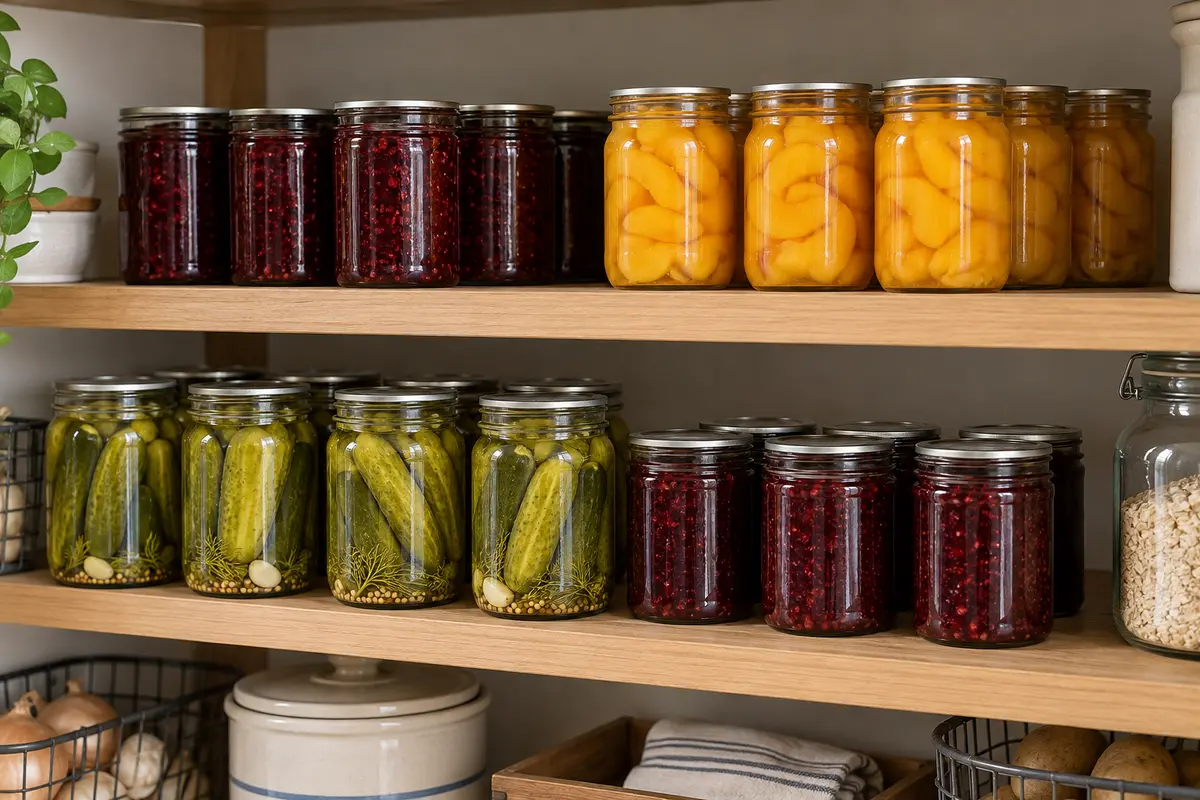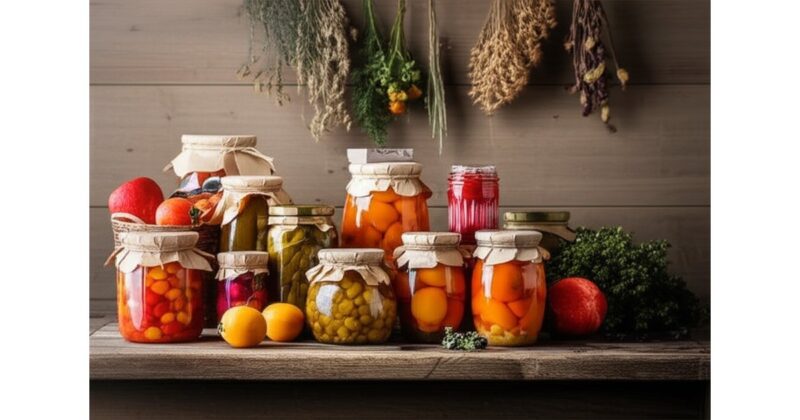
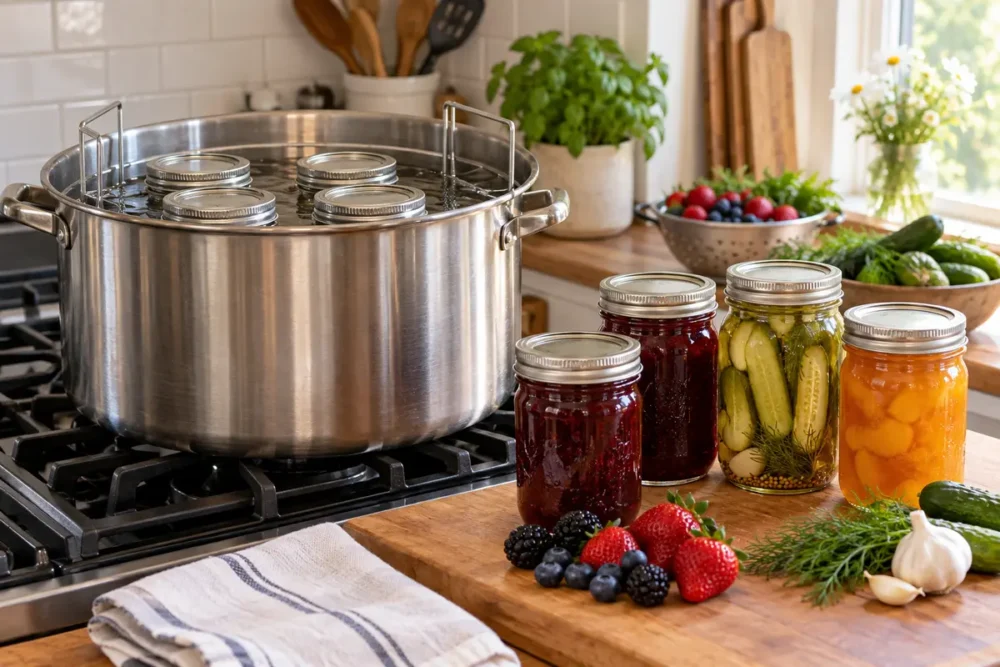
Imagine opening your pantry in the middle of winter and seeing rows of jewel-toned jars filled with summer’s bounty—ruby-red strawberry jam, golden peach halves, vibrant dill pickles, and tangy tomato salsa. This is the magic of water bath canning, a time-honored preservation method that allows you to capture the peak flavors of harvest season and enjoy them year-round.
If you’re new to homesteading or food preservation, water bath canning is the perfect place to start. It’s simpler than pressure canning, requires minimal equipment, and produces shelf-stable foods that can last up to 18 months when properly processed. Best of all, it’s incredibly rewarding to serve your family foods you’ve preserved yourself, knowing exactly what went into each jar.
In this comprehensive guide, we’ll walk you through everything you need to know about water bath canning, from understanding the science behind the method to mastering the step-by-step process. You’ll learn which foods are safe to can, what equipment you need, and how to avoid common mistakes that could compromise food safety.
What is Water Bath Canning?
Water bath canning, also called boiling water bath canning or hot water canning, is a food preservation method that uses boiling water to heat and seal jars of high-acid foods. The process works by submerging filled, sealed jars in boiling water (212°F at sea level) for a specific amount of time, which accomplishes three critical goals:
1. Destroys microorganisms: The heat kills bacteria, yeasts, molds, and enzymes that cause food spoilage
2. Creates a vacuum seal: As jars cool, the contents contract and pull the lid down, creating an airtight seal
3. Prevents recontamination: The sealed jar keeps new microorganisms from entering
The key to water bath canning’s safety lies in the acidity of the foods being preserved. High-acid foods (those with a pH of 4.6 or lower) create an environment where dangerous bacteria like Clostridium botulinum cannot survive or produce toxins. This is why water bath canning is only appropriate for specific types of foods—and why following tested recipes is absolutely essential.
Understanding Food Acidity: The Foundation of Safe Canning
The pH scale measures acidity from 0 (most acidic) to 14 (most alkaline), with 7 being neutral. The magic number for water bath canning is 4.6—this is the threshold that determines whether a food can be safely processed in a boiling water bath or requires the higher temperatures of pressure canning.
High-Acid Foods (Safe for Water Bath Canning)
Fruits: Most fruits are naturally high in acid, making them ideal for water bath canning:
- Apples, apricots, berries (all types)
- Cherries, peaches, pears, plums
- Citrus fruits and juices
- Grapes, nectarines, and rhubarb
Pickled Vegetables: When vegetables are pickled with vinegar, the added acid makes them safe for water bath canning:
- Cucumbers (dill pickles, bread and butter pickles)
- Beets, carrots, peppers, onions
- Green beans (pickled, not plain)
- Cauliflower, asparagus, and radishes
Tomatoes: This is where it gets tricky. Tomatoes hover right around the 4.6 pH threshold, and modern varieties can vary in acidity. The USDA now requires adding acid (lemon juice, citric acid, or vinegar) to all tomato products to ensure safety:
- Add 2 tablespoons bottled lemon juice per quart jar
- Or 1 tablespoon per pint jar
- Or ½ teaspoon citric acid per quart (¼ teaspoon per pint)
Sweet Spreads: Jams, jellies, preserves, marmalades, and fruit butters are safe because they combine fruit’s natural acidity with high sugar content.
Salsas and Sauces: When made with tested recipes that include sufficient vinegar or citric acid, these products are safe for water bath canning.
Low-Acid Foods (Require Pressure Canning)
These foods have a pH above 4.6 and are NOT safe for water bath canning:
- Plain vegetables (green beans, corn, carrots, peas)
- Meats, poultry, and seafood
- Soups, stews, and stocks
- Beans and legumes
- Dairy products
Attempting to water bath can low-acid foods is extremely dangerous and can lead to botulism, a potentially fatal form of food poisoning. Always use pressure canning for these foods.
Essential Equipment for Water Bath Canning
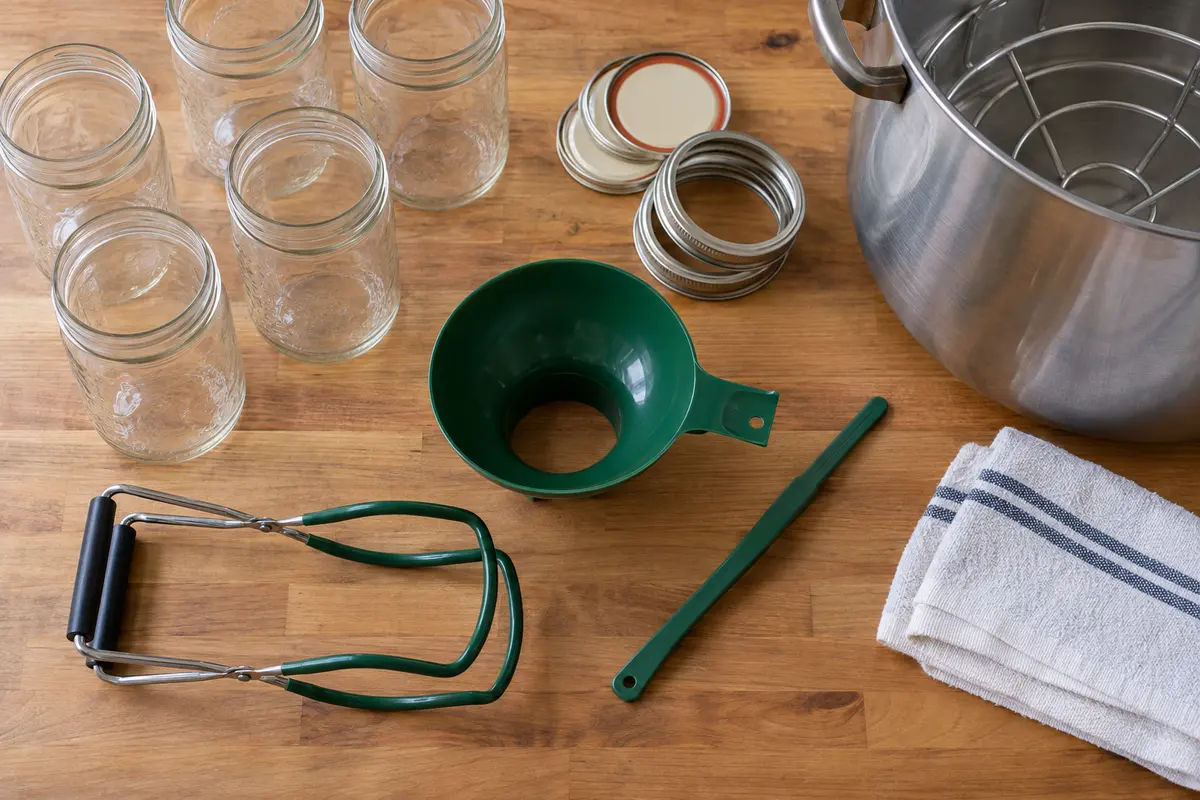
One of the beauties of water bath canning is that it doesn’t require expensive specialized equipment. Here’s what you need to get started:
Must-Have Equipment
1. Water Bath Canner or Large Stockpot
- Needs to be deep enough to cover jars by 1-2 inches of water
- Must have a tight-fitting lid
- Should include a rack to keep jars off the bottom
- Minimum 16-quart capacity recommended
- If using a stockpot, you can improvise a rack with a folded towel or cooling rack
2. Canning Jars
- Use only jars specifically designed for canning (Ball, Kerr, Mason brands)
- Check for chips, cracks, or nicks on rims
- Jars can be reused indefinitely if undamaged
- Common sizes: half-pint, pint, and quart
3. Two-Piece Lids
- Flat lid with sealing compound (use new each time)
- Screw band/ring (can be reused if not rusted or bent)
- Modern lids don’t require pre-heating—check manufacturer instructions
4. Jar Lifter
- Essential for safely removing hot jars from boiling water
- Prevents burns and dropped jars
- Inexpensive and worth every penny
Helpful Tools
- Canning funnel: Wide-mouth funnel prevents spills when filling jars
- Bubble remover/headspace tool: Plastic spatula for removing air bubbles and measuring headspace
- Magnetic lid lifter: Picks up lids from hot water without burning fingers
- Kitchen timer: Accurate timing is crucial for safety
- Clean towels: For wiping jar rims and setting jars to cool
- Labels: For marking contents and processing date
A basic canning kit containing these tools typically costs $15-25 and is a worthwhile investment for beginners.
Step-by-Step Water Bath Canning Process
Now let’s walk through the complete process from start to finish. This method applies to most water bath canning recipes, though always follow your specific recipe’s instructions.
Step 1: Prepare Your Workspace
- Clear and clean your countertops
- Gather all equipment and ingredients
- Read through the entire recipe before starting
- Set up a cooling area with towels laid out
Step 2: Prepare the Canner
1. Fill your water bath canner about halfway with water
2. Place the rack in the bottom
3. Heat water to 180°F for hot-packed foods or 140°F for raw-packed foods
4. Keep water at this temperature while you prepare your recipe
Step 3: Prepare Jars and Lids
For Jars:
- Wash jars in hot, soapy water and rinse well
- If processing time is less than 10 minutes, sterilize jars by boiling for 10 minutes
- For longer processing times, simply keep jars hot in simmering water or dishwasher
- Keep jars hot until ready to fill to prevent thermal shock
For Lids:
- Wash lids and bands in hot, soapy water
- Modern lids don’t require simmering—check manufacturer instructions
- Have lids ready and accessible
Step 4: Prepare Your Recipe
Follow your tested recipe exactly:
- Measure ingredients precisely
- Don’t alter proportions of acid, sugar, or liquid
- Prepare food according to recipe instructions
- Keep food hot if using hot-pack method
Step 5: Fill the Jars
1. Remove one hot jar at a time from the water
2. Use a canning funnel to fill jar with prepared food
3. Leave proper headspace as specified in recipe:
– ¼ inch for jams and jellies
– ½ inch for fruits and tomatoes
– ½ inch for pickles and relishes
4. Remove air bubbles by sliding a plastic spatula around inside of jar
5. Adjust headspace if needed after removing bubbles
Step 6: Seal the Jars
1. Wipe jar rim with a clean, damp cloth to remove any food particles
2. Center lid on jar with sealing compound next to glass
3. Screw band on fingertip-tight (don’t over-tighten)
4. Place jar on rack in canner
Step 7: Process the Jars
1. Once all jars are in canner, add more boiling water if needed to cover jars by 1-2 inches
2. Put lid on canner and bring water to a full rolling boil
3. Start timing when water reaches a full boil
4. Maintain a steady boil for the entire processing time
5. Adjust for altitude if necessary (see altitude chart below)
Step 8: Remove and Cool
1. When processing time is complete, turn off heat and remove canner lid
2. Let jars sit in canner for 5 minutes
3. Use jar lifter to remove jars and place on towel-covered counter
4. Leave at least 1 inch of space between jars
5. Don’t tighten bands or disturb jars
6. Let cool undisturbed for 12-24 hours
Step 9: Check Seals and Store
After cooling:
1. Press center of each lid—it should not flex or pop
2. Remove screw bands and try to lift lid with your fingertips—it should not come off
3. If a jar didn’t seal, refrigerate and use within a week, or reprocess within 24 hours with a new lid
4. Wipe jars clean, label with contents and date
5. Store in a cool (50-70°F), dark, dry place
6. Use within 12-18 months for best quality
Altitude Adjustments: A Critical Safety Factor
Water boils at lower temperatures as altitude increases, which means you need to adjust processing times to ensure food safety. Here’s the standard adjustment chart:
For processing times of 20 minutes or less:
- 1,001-3,000 feet: Add 5 minutes
- 3,001-6,000 feet: Add 10 minutes
- 6,001-8,000 feet: Add 15 minutes
- 8,001-10,000 feet: Add 20 minutes
For processing times over 20 minutes:
- 1,001-3,000 feet: Add 10 minutes
- 3,001-6,000 feet: Add 15 minutes
- 6,001-8,000 feet: Add 20 minutes
- 8,001-10,000 feet: Add 25 minutes
Always adjust for your specific altitude—this is not optional for food safety.
Best Foods for Beginning Canners
If you’re new to water bath canning, start with these beginner-friendly recipes that are forgiving and produce delicious results:
Easiest Projects for First-Timers
Strawberry Jam: High in natural pectin, sets easily, and requires minimal ingredients. The sweet reward is perfect for building confidence.
Dill Pickles: Cucumbers are inexpensive and abundant in summer. The vinegar brine is very forgiving, and homemade pickles taste infinitely better than store-bought.
Peach Halves: Peaches are naturally high in acid and sugar, making them very safe and simple to can. They’re also versatile for desserts and breakfast.
Tomato Salsa: A practical way to preserve tomatoes with added vegetables and spices. Just be sure to use a tested recipe with proper acid levels.
Apple Butter: Requires no pectin, is hard to mess up, and makes wonderful gifts. The long cooking time develops deep, complex flavors.
Tips for Success
- Start with small batches (4-6 jars) until you’re comfortable with the process
- Choose recipes with short ingredient lists
- Can at the peak of freshness for best flavor and nutrition
- Don’t try to multitask—give canning your full attention
- Take notes on what works and what you’d change next time
Common Mistakes and How to Avoid Them
Even experienced canners make mistakes. Here are the most common pitfalls and how to prevent them:
Mistake #1: Using Untested Recipes
The Problem: Recipes from random websites, old cookbooks, or family traditions may not have been scientifically tested for safety. Incorrect acid levels or processing times can lead to spoilage or botulism.
The Solution: Only use recipes from trusted sources:
- USDA Complete Guide to Home Canning
- National Center for Home Food Preservation
- Ball Blue Book Guide to Preserving
- Cooperative Extension publications
- Tested recipes from reputable canning companies
Mistake #2: Altering Recipe Proportions
The Problem: Changing the amount of acid, sugar, or liquid can affect the pH and safety of the final product.
The Solution: Follow recipes exactly as written. You can adjust spices and herbs, but never change:
- The amount of vinegar or lemon juice
- The ratio of vegetables to liquid in pickles
- The proportion of fruit to sugar in jams
- Processing times or methods
Mistake #3: Insufficient Headspace
The Problem: Too little headspace prevents proper sealing; too much allows excess air that can cause discoloration and seal failure.
The Solution: Measure headspace carefully with a ruler or headspace tool. Standard measurements:
- ¼ inch: jams, jellies, soft spreads
- ½ inch: fruits, tomatoes, pickles, relishes
- 1 inch: rarely used, only when specified
Mistake #4: Not Removing Air Bubbles
The Problem: Trapped air bubbles can prevent proper heat penetration and cause seal failure.
The Solution: After filling jars, slide a plastic spatula or bubble remover around the inside edge several times. Add more food if headspace increases after removing bubbles.
Mistake #5: Reusing Lids
The Problem: Standard canning lids are designed for one-time use. The sealing compound degrades after the first use, leading to seal failure.
The Solution: Always use new lids for each canning session. Screw bands can be reused if they’re not rusted, bent, or damaged.
Mistake #6: Not Adjusting for Altitude
The Problem: Failing to adjust processing times for altitude results in under-processing, which can allow harmful bacteria to survive.
The Solution: Know your altitude and always add the appropriate extra processing time. When in doubt, add more time rather than less.
Mistake #7: Overtightening Bands
The Problem: Bands screwed on too tightly prevent air from escaping during processing, which can cause seal failure or jar breakage.
The Solution: Tighten bands “fingertip-tight”—just until you feel resistance. Don’t use force or tools to tighten.
Troubleshooting: When Things Go Wrong
Jars Didn’t Seal
Possible Causes:
- Food particles on jar rim
- Damaged jar rim or lid
- Insufficient processing time
- Band too tight or too loose
- Headspace incorrect
What to Do:
- Refrigerate and use within a week
- Or reprocess within 24 hours with a new lid and full processing time
- Check jars and lids for damage before reprocessing
Liquid Loss During Processing
Possible Causes:
- Jars packed too full
- Air bubbles not removed
- Pressure changes during processing
- Jars not covered with enough water
What to Do:
- If seal is good, food is safe to eat
- Don’t open jar to add liquid
- Use jars with liquid loss first
- Store in dark place to minimize discoloration
Cloudy Liquid in Jars
Possible Causes:
- Minerals in hard water
- Starch from vegetables
- Spoilage (if accompanied by off-odor or bubbles)
What to Do:
- If seal is good and no off-odors, usually safe
- Use filtered water next time
- If any doubt about spoilage, discard without tasting
Floating Fruit
Possible Causes:
- Fruit packed too loosely
- Syrup too heavy
- Fruit not fully ripe
- Air trapped in fruit tissue
What to Do:
- Safe to eat, just less attractive
- Use hot pack method next time
- Choose firmer, less ripe fruit
- Heat fruit before packing
Food Safety: When to Discard Canned Foods
Never taste food to determine if it’s safe. Discard jars that show any of these signs:
- Bulging or unsealed lids
- Leaking or damaged jars
- Spurting liquid when opened
- Mold on food surface or underside of lid
- Cloudy or murky liquid (in non-pickled foods)
- Off-odors or unusual colors
- Foam or bubbles in jar
- Slippery or slimy texture
When discarding potentially contaminated food:
- Don’t taste it
- Dispose where animals and people can’t access it
- Boil jars and lids for 30 minutes before reusing
- Wash hands thoroughly after handling
Storage and Shelf Life
Properly canned foods can last 12-18 months when stored correctly:
Ideal Storage Conditions:
- Temperature: 50-70°F (cooler is better)
- Humidity: Moderate (not damp)
- Light: Dark or dim
- Location: Away from heat sources and direct sunlight
Storage Tips:
- Remove screw bands before storing (prevents rust and makes seal checking easier)
- Store jars in single layers if possible
- Rotate stock using oldest jars first
- Check seals periodically
- Label clearly with contents and date
Signs of Quality Loss:
- Fading colors (still safe but less appealing)
- Softening texture
- Flavor changes
- Separation of liquids
While these changes affect quality, the food is still safe to eat if the seal is intact and there are no signs of spoilage.
Building Your Canning Confidence
Water bath canning is a skill that improves with practice. Don’t be discouraged if your first batch isn’t perfect—even experienced canners have occasional seal failures or less-than-beautiful results. What matters most is following safe procedures and learning from each session.
Start with simple recipes and small batches. As you gain confidence, you can tackle more complex projects and larger quantities. Keep notes on what works well and what you’d like to adjust. Join online canning communities or local homesteading groups to share experiences and learn from others.
Remember, every jar you successfully preserve represents food security, cost savings, and the satisfaction of providing for your family with your own hands. That’s the true reward of water bath canning.
Your Next Steps in Food Preservation
Now that you understand the fundamentals of water bath canning, you’re ready to start preserving your own food. Begin by gathering your equipment, choosing a tested recipe, and setting aside a few hours for your first canning session.
The best time to start is now—or whenever your chosen fruit or vegetable is at peak season. Don’t wait for the “perfect” moment or until you have all the fancy equipment. Start simple, follow the guidelines in this article, and enjoy the process of learning this valuable homesteading skill.
Your pantry shelves will soon be filled with the fruits of your labor, ready to nourish your family through the seasons ahead. Welcome to the rewarding world of water bath canning!
—
Related Resources
Internal Articles:
- [Essential Homesteading Skills Every Beginner Should Master](https://homesteadingalliance.com/essential-homesteading-skills-every-beginner-should-master/)
- [Homesteading For Beginners Made Easy](https://homesteadingalliance.com/homesteading-for-beginners/)
- [Water Harvesting for Homesteaders: Complete Guide](https://homesteadingalliance.com/water-harvesting-guide/)
Trusted External Resources:
- [USDA Complete Guide to Home Canning](https://nchfp.uga.edu/publications/usda/GUIDE01_HomeCan_rev0715.pdf) – The definitive government resource for safe canning practices
- [National Center for Home Food Preservation](https://nchfp.uga.edu/) – Research-based information from the University of Georgia
- [Penn State Extension Canning Resources](https://extension.psu.edu/food-safety/preservation) – Comprehensive guides and workshops on food preservation
—
Always follow current USDA guidelines and tested recipes from reliable sources. This article is for educational purposes and should not replace official canning guides. When in doubt about food safety, consult your local Cooperative Extension office.