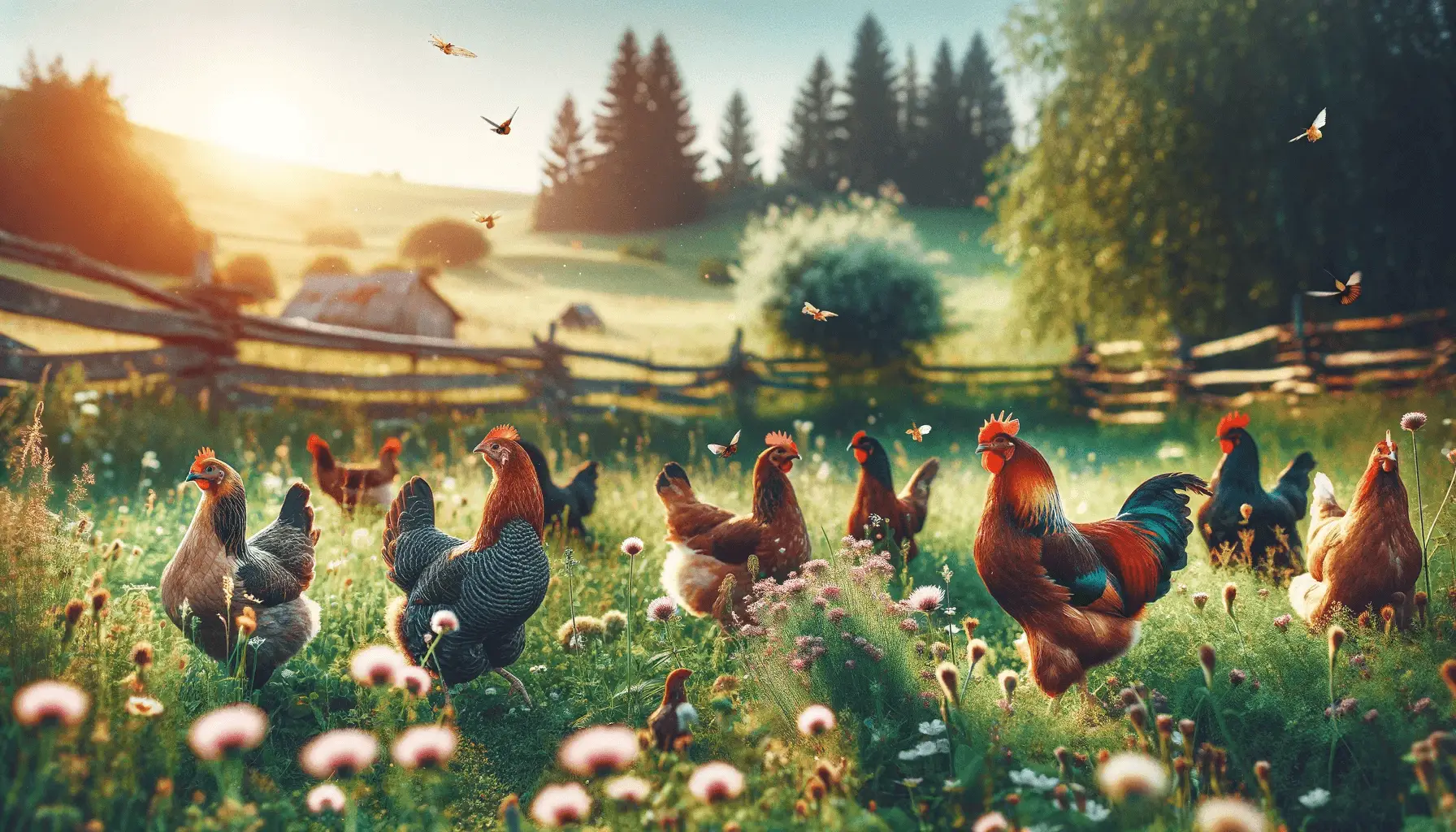
Their attractive appearance and gentle disposition make Speckled Sussex chickens a popular choice among chicken enthusiasts who are interested in backyard chickens and heritage breeds. Their feathers are adorned with a unique speckled pattern, adding elegance to their overall appearance.
They are known to be friendly and docile, making them a great addition to any flock.
Speckled Sussex chickens are excellent foragers, which makes them well-suited for free-range environments.
They are also suitable for families with children or other pets, thanks to their calm temperament.
In terms of egg-laying abilities, Speckled Sussex chickens are reliable layers of large brown eggs.
This makes them a practical choice for those wanting to raise chickens for eggs. These birds thrive in moderate climates and are known for their hardiness and adaptability, making them ideal for backyard chickens and chicken farming.
Different Colors and Patterns of Heritage Chicken Breeds
Understanding chicken genetics and observing egg laying patterns can help you make an informed decision when choosing a chicken breed for optimal egg production and ensuring proper chicken care and health. One popular breed to consider is the Speckled Sussex.
This breed is known for its breathtaking black and white speckles that create a mesmerizing pattern.
Not only is the Speckled Sussex visually appealing, but it also has a friendly and docile nature, making it a favorite among chicken enthusiasts.
Other heritage breeds also showcase stunning colors and patterns. For example, the Blue Andalusian stands out with its striking blue plumage, while the Buff Orpington boasts regal golden feathers.
Each breed offers a unique visual experience that is sure to capture your attention.
Understanding the significance of these colors and patterns can provide valuable insights into a breed’s genetic lineage and history. If you are interested in raising heritage chicken breeds, it is worth researching chicken genetics, chicken health, and chicken behavior to help you select the perfect breed for your flock.
Caring for Backyard Chickens and Ensuring Their Wellbeing
A clean living environment is crucial for the health of backyard chickens, as it directly influences their plumage quality and overall temperament. Regularly cleaning the coop and removing any feces or soiled bedding can help prevent the spread of diseases.
Ensuring that the coop is well-ventilated and has proper lighting can promote a healthy living space.
Providing nesting boxes for hens to lay their eggs in a clean and comfortable environment is essential for their wellbeing.
It is important to note that different chicken breeds may have specific needs and characteristics. For example, the Sussex chicken breed is known for its hardiness and adaptability to different climates.
The Speckled Sussex, in particular, is a variant of the Sussex breed known for its distinct speckled plumage. Understanding the specific needs and characteristics of different chicken breeds can help ensure their optimal care and wellbeing. Caring for backyard chickens involves providing a suitable living environment that caters to their chicken temperament, chicken plumage, and chicken eggs.
Caring for Backyard Chickens
- A clean living environment directly influences the plumage quality and overall temperament of backyard chickens.
- Regularly cleaning the coop and removing feces or soiled bedding helps prevent the spread of diseases among chickens.
- Well-ventilated coops with proper lighting promote a healthy living space for chickens.
- Providing clean and comfortable nesting boxes for hens to lay their eggs is essential for their wellbeing.
Factors to Consider When Selecting a Chicken Breed for Your Farm
When selecting a chicken breed for your farm, it is important to consider the purpose behind raising chickens, whether it’s for a specific chicken exhibition or building a healthy and diverse flock. Do you want a breed that will give you a consistent supply of eggs, or are you more interested in raising chickens for meat? Each breed has unique strengths and characteristics that make them suitable for specific purposes.
By understanding your goals and needs, you can find a breed that will meet your farm’s requirements
Creating a Functional and Comfortable Chicken Coop
When it comes to creating a functional and comfortable chicken coop, there are several important factors to consider, such as chicken breed characteristics and chicken breed history. Size and space are crucial because chickens need enough room to move around comfortably.
Ventilation is also key since fresh air circulation is necessary to maintain good air quality.
Natural lighting benefits the overall health of chickens, so incorporating windows or skylights is recommended.
Providing comfortable nesting boxes and sturdy perches is essential for your feathered friends as well. Choosing the right flooring and bedding helps maintain cleanliness and hygiene.
By addressing these factors, you can create a coop that promotes the health and well-being of your flock
Important Factors for Creating a Functional and Comfortable Chicken Coop
- Chickens need enough room to move around comfortably, so size and space are crucial.
- Proper ventilation is necessary to maintain good air quality inside the coop.
- Natural lighting, provided through windows or skylights, benefits the overall health of chickens.
- Comfortable nesting boxes and sturdy perches are essential for the well-being of chickens.
- Choosing the right flooring and bedding helps maintain cleanliness and hygiene in the coop.
Best Feed Types and Ingredients for Optimal Chicken Nutrition
Chicken breed hatcheries should be provided to chicks from 0 to 8 weeks of age, as they require a higher level of protein and other nutrients to support their rapid growth. As they mature, transitioning to grower feeds from 9 to 20 weeks will provide them with the necessary nutrients to continue their development without excessive weight gain.
Once your chickens reach the laying stage, it is important to switch to a layer feed specifically formulated to support egg production.
These feeds are higher in calcium to support the formation of strong eggshells.
Some layer feeds also include additives like marigold extract or paprika, which can enhance the color of the yolks.
When it comes to feeding your chickens, it is crucial to provide them with access to fresh water at all times. Chickens have a higher water requirement than many other animals due to their high internal body temperature and the need to produce eggs, making it essential for chicken breeders to prioritize the availability of clean water for the well-being of their flock.
Importance of Sustainable Farming Practices in Chicken Production
Sustainable farming practices in chicken production also extend to the utilization of backyard poultry, free-range chickens, and organic chickens, ensuring farm fresh eggs for consumers who appreciate the benefits of responsible agriculture, while implementing efficient chicken coop designs and following well-thought-out chicken coop plans. By allowing chickens to roam and forage in natural environments, farmers promote their overall well-being and ensure the production of farm-fresh eggs.
This approach not only gives the chickens a more natural and fulfilling life but also results in eggs that are richer in nutrients and flavor.
In addition, organic chickens raised in sustainable farming systems are not only healthier for the chickens themselves but also for consumers who value the absence of antibiotics and hormones in their meat.
When designing chicken coops, it is essential to incorporate sustainable elements. This includes incorporating natural ventilation and efficient waste management systems to support the overall sustainability of the chicken production process
| Benefits of Sustainable Farming Practices |
|---|
| Supports well-being of chickens |
| Produces farm-fresh eggs |
| Richer in nutrients and flavor |
| Absence of antibiotics and hormones |
| Incorporating sustainable elements in chicken coop design |
| Utilizing natural ventilation |
| Efficient waste management systems |
Identifying and Addressing Common Health Issues in Chickens
Severe discomfort and irritation to chickens can be prevented by choosing high-quality chicken feed brands. These parasites can be found on the feathers, skin, and legs of the birds.
Symptoms of infestation include excessive scratching, feather loss, sores, and a decrease in egg production.
To address parasite issues, it is important to regularly inspect and treat the chickens for any signs of infestation.
This can be done by using appropriate pesticides or natural remedies.
Chickens can also suffer from internal parasites, such as worms.
These parasites can cause digestive issues, weight loss, and a decrease in egg production. It is important to regularly deworm the chickens to prevent and treat infestations.
Deworming can be done using medication specifically designed for chickens, which can be administered via their drinking water or mixed with their feed.
Nutritional deficiencies can also affect the health of chickens. A balanced diet is essential to ensure that the chicken coop accessories provide optimum comfort and support for your poultry.
Understanding Genetics and Breeding Techniques in Chicken Plumage Colors
When it comes to understanding the genetics and breeding techniques in chicken plumage colors, having a solid knowledge of chicken genetics study is crucial. By studying the various genes responsible for different plumage colors, breeders can strategically breed chickens to achieve the desired color patterns.
A thorough understanding of breeding techniques, such as selective breeding and crossbreeding, plays a vital role in producing chickens with specific plumage colors.
By combining the right genetics and employing effective breeding techniques, breeders can enhance and showcase the beautiful variety of chicken plumage colors.
As a result, poultry enthusiasts can enjoy a diverse range of chicken breeds with stunning and unique plumage colors
Supporting Facts about Chicken Plumage Colors
- Understanding chicken genetics study is crucial for breeding techniques in chicken plumage colors.
- Studying various genes responsible for different plumage colors helps breeders strategically breed chickens to achieve desired color patterns.
- Thorough understanding of breeding techniques, such as selective breeding and crossbreeding, plays a vital role in producing chickens with specific plumage colors.
- Combining the right genetics and employing effective breeding techniques enhances and showcases the beautiful variety of chicken plumage colors.
The Best Dual Purpose Chicken Breeds Unlocking Their Full Potential
Discover the Top White Chicken Breeds for Your Flock
The Best Dual Purpose Chicken Breeds Unlocking Their Full Potential
Discover the Top White Chicken Breeds for Your Flock