Natural animal healthcare works best as a prevention and observation system, not as a substitute for diagnosis. Clean housing, species-appropriate nutrition, good pasture management, quarantine, and quick attention to small changes prevent more trouble than a shelf full of homemade remedies.
Herbs may have a place in a veterinarian-guided care plan, but “natural” does not mean harmless. The safe choice depends on the animal’s species, age, weight, pregnancy status, disease, medications, and whether its meat, milk, or eggs enter the food supply.
Start with each animal’s normal baseline
You can spot illness earlier when you know what normal looks like. Watch animals at the same times each day, including before feeding when appetite and movement are easy to compare.
Record a few practical observations:
- Appetite and water intake
- Posture, gait, and willingness to move
- Breathing rate and effort
- Eyes, nose, coat, feathers, skin, and hooves
- Manure or droppings
- Milk, egg, or weight changes when relevant
- Body condition and social behavior
A single quiet animal may simply be resting. An animal that is quiet, off feed, breathing differently, and separating from the group needs prompt attention. Note when the change began and what else changed in the environment, feed, weather, herd, or flock.
Know which signs need a veterinarian now
Do not experiment with herbs when an animal is in distress. Contact a veterinarian promptly for trouble breathing, repeated seizures, collapse, severe bleeding, inability to stand, major trauma, a difficult birth, suspected poisoning, sudden neurologic signs, or rapidly worsening illness.
Also call when several animals become sick at once, deaths rise unexpectedly, or a reportable disease may be involved. Sudden high mortality or widespread respiratory and neurologic signs in poultry require immediate professional guidance.
While you wait for instructions, isolate the sick animal when it is safe to do so. Keep it quiet, protect it from temperature extremes, provide clean water if it can drink normally, and write down every product or plant it may have contacted. Do not force liquids into an animal that cannot swallow safely.
Build health around prevention
Feed the species in front of you
Balanced nutrition is not interchangeable across chickens, pigs, goats, sheep, cattle, and rabbits. Use a ration formulated for the species and production stage, then supply clean water at all times. Sudden diet changes, spoiled feed, mineral mistakes, and excessive treats can create problems that resemble disease.
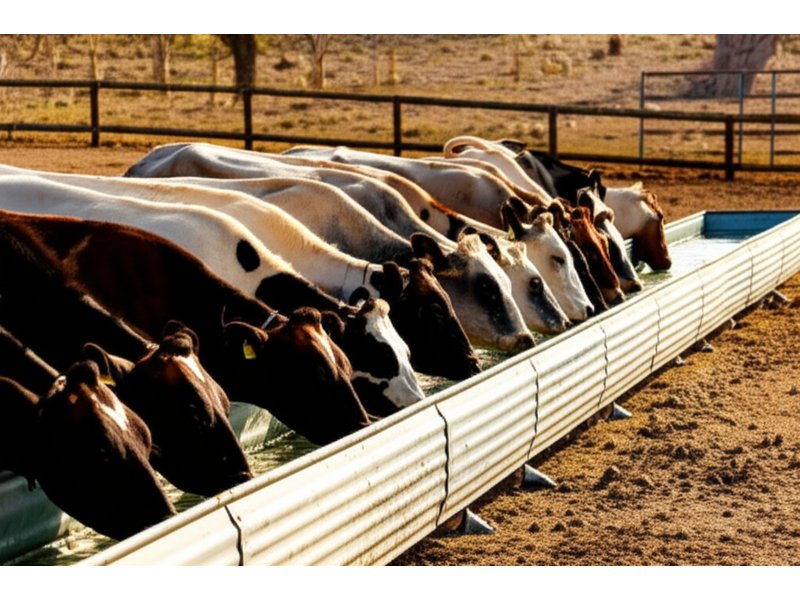
Be especially careful with free-choice minerals. Sheep, goats, cattle, poultry, and pigs have different needs and tolerances. A mineral that is appropriate for one species can be dangerous to another.
Keep housing dry, clean, and well ventilated
Good airflow removes moisture and ammonia without putting animals in a cold draft. Keep bedding dry, protect feed from rodents and wild birds, clean waterers, and prevent crowding around food, water, shade, and shelter.
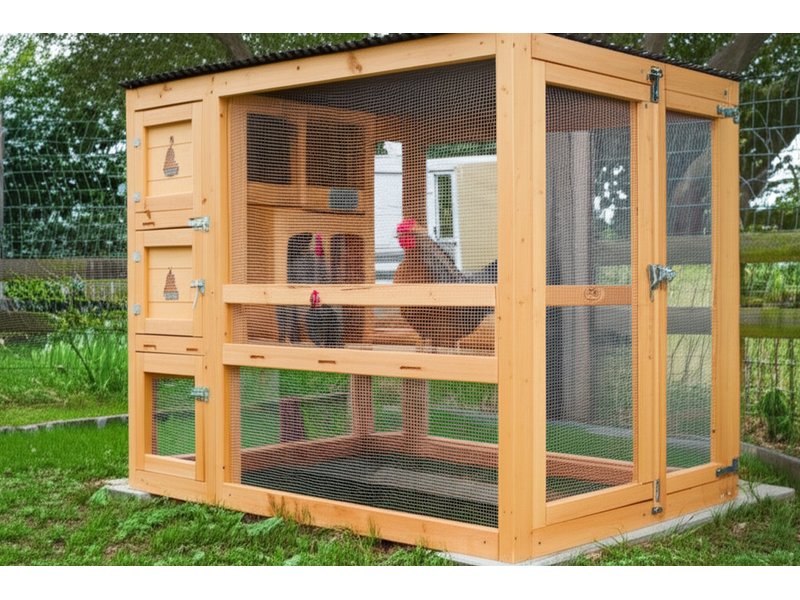
Clean first, then disinfect. Organic matter can keep a disinfectant from reaching the surface, and stronger mixing is not automatically safer or more effective. Follow the product label, including contact time and animal re-entry directions.
Use a working biosecurity routine
New and returning animals can carry disease before they look sick. USDA guidance recommends separating new sheep and goats for at least 30 days. Similar quarantine planning is useful across a mixed homestead, but the exact period and testing plan should match the species, source, and diseases common in your area.
- House new or returning animals away from the resident group.
- Use separate feeders, waterers, boots, tools, and bedding supplies.
- Care for healthy resident animals first and quarantined animals last.
- Watch for fever, coughing, nasal discharge, diarrhea, appetite loss, lameness, and unusual behavior.
- Ask your veterinarian which tests, vaccines, and parasite checks are appropriate before introduction.
Manage pasture plants before reaching for a remedy
Many poisoning problems begin with access, not a missing treatment. Learn the toxic plants and trees common in your region, including those along fence lines. Walk pastures after storms, drought, mowing, herbicide use, and seasonal changes.
Risk rises when forage is scarce or animals are hungry. Keep adequate forage available, avoid overgrazing, remove fallen toxic branches, and do not throw lawn or garden clippings into livestock areas. Wilting or drying can make some plants more attractive or change their toxicity.
If poisoning is possible, remove animals from the suspected source without exposing yourself. Save clear photos and samples only if your veterinarian or Extension specialist tells you how to collect them safely. Call a veterinarian or animal poison service instead of waiting for symptoms to pass.
Where herbs may fit, and where they do not
Veterinary evidence for herbal products ranges from promising to ineffective or risky. Many studies are small, short, or performed in a different species. Product strength and ingredients may also vary, and herbs can interact with medicines.
Before giving an herbal product, ask:
- Has this exact ingredient been studied in this species?
- Is the product standardized, and are all ingredients and concentrations listed?
- Could it affect pregnancy, the liver, kidneys, bleeding, or the nervous system?
- Could it interact with a prescription, vaccine response, anesthetic, or dewormer?
- Is there a meat, milk, or egg withdrawal period?
- Will using it delay a diagnosis or proven treatment?
Human supplements are not a safe shortcut. Concentrated products may contain ingredients that are toxic to animals, and labels may not provide a livestock dose. Arnica, St. John’s wort, mugwort, caffeine-containing herbs, and several other supplements can cause poisoning under some conditions.
Use essential oils with the same caution as other concentrates
Essential oils are concentrated plant chemicals. Exposure can occur through the mouth, skin, lungs, or grooming after topical application. Species process these compounds differently, and a dilution that appears mild may still irritate tissue or create toxic exposure.
Do not add essential oils to feed or water, apply them to wounds, diffuse them in enclosed animal housing, or use them as parasite treatments unless a veterinarian familiar with that species has reviewed the exact product and plan. Store oils and concentrated herbal products where animals cannot reach them.
First aid should stabilize, not disguise the problem
A farm first-aid kit buys time and helps you follow veterinary instructions. It should not turn an uncertain diagnosis into a home treatment.
Useful non-drug supplies include:
- Disposable gloves and eye protection
- A digital thermometer appropriate for the species
- Saline wound rinse
- Sterile gauze, nonstick pads, and bandage material
- Clean towels and a safe restraint method
- A flashlight, scissors, and a permanent marker
- Veterinarian, emergency clinic, poison service, and state animal-health contact information
- Individual health records and current medication lists
Ask your veterinarian to help build the drug portion of the kit. Storage temperature, expiration dates, legal access, dosing, routes, and food-animal withdrawal times matter.
Keep records that make treatment safer
Write down the animal ID, date, symptoms, temperature, appetite, manure changes, possible exposures, treatment, dose, route, person who gave it, and the veterinarian’s instructions. For food animals, record every withdrawal date before selling or consuming meat, milk, or eggs.
Photos can help document a wound, swelling, posture change, manure, or pasture plant. Take them in good light with an object for scale, but do not let documentation delay emergency care.
A practical holistic-care checklist
- Observe every animal daily and know its normal behavior.
- Provide clean water, balanced feed, dry bedding, airflow, shade, and weather protection.
- Quarantine new and returning animals with separate equipment.
- Keep toxic plants, spoiled feed, chemicals, supplements, and essential oils out of reach.
- Isolate sick animals when safe and care for them after healthy animals.
- Call early for severe symptoms, multiple sick animals, suspected poisoning, or an unclear diagnosis.
- Use herbs only after checking species safety, interactions, product quality, and withdrawal requirements.
- Record what happened and what was given.
For evidence-based guidance, use the Merck Veterinary Manual’s review of herbal medicine, USDA APHIS biosecurity guidance, the University of Minnesota poultry-health hub, and your own veterinarian or county Extension service.