Raising chickens is manageable when you build the flock around five basics: legal permission, secure housing, the right feed, dependable water, and a routine you can maintain every day. Breed choice matters, but good management matters more.
This guide walks through the decisions in the order they need to happen, from checking local rules to managing adult hens through winter, molt, illness, and flock changes.
Decide what you want from the flock
Start with one primary purpose. A flock selected for maximum egg output looks different from a flock kept for meat, breeding, exhibition, pest control, or family pets.
- Eggs: Choose pullets from a productive strain and plan for a complete layer ration once they begin laying.
- Eggs and meat: Consider heavier dual-purpose breeds, accepting lower egg efficiency than specialized hybrids.
- Colored eggs: Add Ameraucanas, Easter Eggers, Marans, or Welsummers after comparing production and temperament.
- Breeding: You need a rooster and a plan for hatching, extra males, genetic selection, and separate pens.
Our laying-breed comparison shows the practical tradeoffs among production hybrids, Leghorns, dual-purpose breeds, and colored-egg birds.
Check local rules before ordering chicks
Town bylaws, zoning, homeowner rules, setbacks, flock limits, and rooster restrictions vary. Check the current rules for your address before buying birds or building a coop.
Plan for manure storage, feed delivery, predator control, noise, drainage, and a neighbor-facing side of the setup. A legal flock can still create trouble if rodents, odors, or loose birds become a recurring problem.
Build the coop for adult birds
Chicks grow quickly. Size the permanent housing for the adult flock and for the days when weather keeps every bird inside.
University of Georgia Extension recommends roughly 3 to 3.5 square feet of indoor floor space per bird for egg production. Other systems and climates may need more. Usable floor space does not include nest boxes, bulky feeders, or areas birds cannot access.
| Coop feature | What it needs to do | Common failure |
|---|---|---|
| Ventilation | Release moisture and ammonia above roost level | Closing every opening in winter |
| Predator barrier | Stop digging, prying, reaching, and climbing animals | Relying on chicken wire as the main defense |
| Roosts | Give all birds stable nighttime space | Too little room or slippery perches |
| Nest boxes | Provide clean, quiet laying areas | Too few boxes or damp bedding |
| Feed storage | Keep feed dry and inaccessible to rodents | Open bags or humid containers |
| Drainage | Keep the run and coop floor dry | Building in a low, wet area |
A movable cattle-panel structure can work for some flocks. See the hoop coop guide for one design, then adapt the predator protection and weather covering to your location.
Prepare the brooder before chicks arrive
Set up and test the brooder before pickup or delivery day. Chicks need a clean enclosure, suitable bedding, chick-sized feeders and waterers, and a heat source that creates a warm area with room to move away from it.
Watch the chicks rather than trusting one thermometer reading. Chicks crowding tightly under the heat may be cold. Chicks avoiding the warm area, panting, or spreading far apart may be too hot. Adjust the setup gradually and follow the hatchery or Extension brooding instructions for the birds’ age and conditions.
Provide clean water as soon as chicks are placed. Use equipment they can reach without climbing into deep water or soaking the bedding. Remove wet litter promptly.

Feed chickens by age and purpose
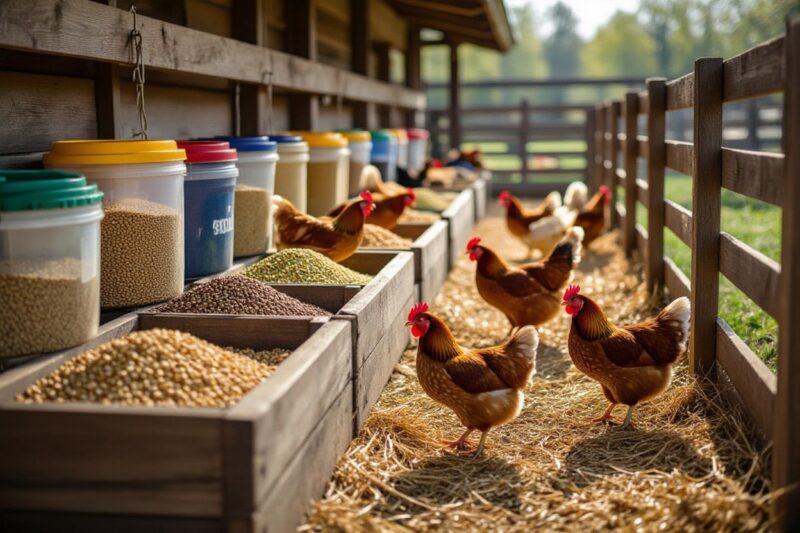
Use a complete poultry ration labeled for the birds’ life stage. Chick starter, grower or developer feed, layer ration, and broiler feeds are not interchangeable.
Utah State University Extension recommends chick starter for young birds, a grower or developer feed before laying, and a layer ration at the onset of egg production. It warns against feeding a high-calcium layer ration to birds that are not laying.
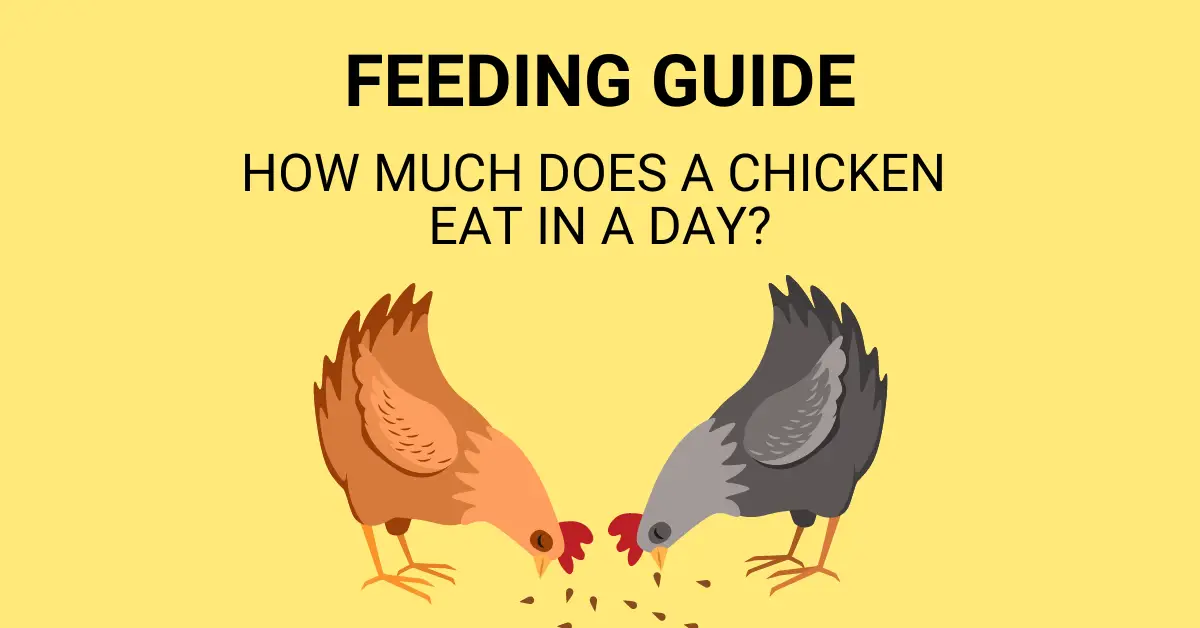
A mature laying hen commonly eats about a quarter-pound of feed per day, but actual use varies. Use our chicken feed calculator to estimate bags and costs, then measure your flock’s real consumption.
Scratch grains and kitchen scraps should remain a small part of the diet. Oklahoma State University Extension recommends keeping them below 10 percent of daily intake so they do not dilute the complete ration.
If measured bag use is higher than the flock should consume, use our feed-waste troubleshooting guide to check feeder height, fill level, moisture, rodents, and crowding.
Never let the flock run out of clean water
Water affects feed intake, growth, and egg production. Check waterers every day and more often during heat or freezing weather. Provide enough access points that timid birds are not pushed away.
Keep drinkers level and clean, place them where spills will not soak the bedding, and maintain a backup during temperature extremes. In freezing weather, use equipment intended for the location and electrical conditions.
Use a repeatable care schedule
Daily
- Check every bird’s posture, movement, breathing, appetite, and access to water.
- Collect eggs and remove broken eggs.
- Refill or inspect feed and water.
- Look for wet bedding, predator damage, rodent signs, and unusual droppings.
- Secure the flock before dark.
Weekly
- Clean waterers and feeders thoroughly.
- Refresh nest material and remove damp or caked litter.
- Inspect latches, wire, roof edges, and the run perimeter.
- Record feed use, egg count, injuries, and behavior changes.
Seasonally
- Prepare for heat, freezing water, storms, and reduced daylight.
- Inspect ventilation without creating direct drafts at the roost.
- Review rodent pressure and feed storage.
- Plan for molt and temporary changes in laying.
Make biosecurity part of ordinary chores
Biosecurity reduces the chance that people, wild birds, rodents, tools, footwear, or new poultry carry disease into the flock.
USDA APHIS recommends limiting visitors, washing hands before and after poultry contact, cleaning equipment, using dedicated footwear or clean boot covers, protecting feed and water, and watching for signs of illness. Its Defend the Flock program provides current checklists.
Keep new or returning birds separate from the resident flock while you follow veterinary or Extension quarantine guidance. Do not share crates, tools, or egg flats between flocks without appropriate cleaning and disinfection.
Protect people as well as chickens
Healthy-looking poultry can carry germs. CDC recommends washing hands with soap and running water after touching birds, eggs, equipment, or the coop environment. Keep poultry equipment and dedicated coop shoes outside the house, and clean equipment outdoors.
Do not kiss or hold poultry close to your face. Supervise children closely and keep food and drinks out of poultry areas. Read the CDC’s backyard poultry guidance for current household-safety recommendations.
Know when a bird needs professional help
Separate a sick or injured bird when doing so will prevent pecking or exposure, then contact a poultry veterinarian, diagnostic laboratory, Extension poultry specialist, or animal-health official as appropriate.
Seek help for sudden or unexplained deaths, trouble breathing, swelling, nasal discharge, neurologic signs, severe diarrhea, inability to stand, major wounds, or a sharp flock-wide drop in feed, water, or egg production. Reportable-disease instructions vary by state and current outbreak conditions.
Avoid guessing at medications or copying a dose meant for another species. Product legality, withdrawal times for eggs or meat, and the correct treatment depend on the diagnosis.
Manage flock introductions slowly
Chickens establish a social order. Adding new birds abruptly can cause injuries and block timid birds from feed and water.
- Complete the appropriate separation and health-observation period.
- Let groups see one another through a secure barrier.
- Add more than one feeding and watering point.
- Provide space for lower-ranking birds to move away.
- Supervise early contact and separate birds if attacks cause injury.
Do not use the resident flock to “test” whether a new bird is healthy.
Handle eggs with clean habits
Collect eggs often, keep nest boxes dry, and discard badly cracked eggs. Wash hands after handling eggs or working in the coop.
Egg-cleaning and storage rules differ for household use, direct sales, and licensed operations. Follow current state requirements and Extension food-safety guidance for your situation.
Plan for winter and summer before they arrive
In a cold climate, moisture and poor ventilation can create as many problems as low temperature. Keep bedding dry, block direct wind at bird level, and maintain safe ventilation above the roost.
During hot weather, provide shade, airflow, and more water capacity. Check birds during the hottest part of the day. Panting, wings held away from the body, weakness, or collapse require immediate attention and a cooler environment.
Budget beyond the price of chicks
- Coop, run, fencing, and predator protection
- Feeders, waterers, brooders, and safe seasonal equipment
- Feed, bedding, grit, and calcium offered as appropriate
- Veterinary care, testing, and emergency supplies
- Replacement parts, repairs, and rodent-resistant storage
- Care coverage when you travel
Eggs may offset part of the cost, but a backyard flock is not automatically cheaper than buying eggs. Build the budget around animal care first.
First-month checklist
- Confirm rules and neighbor-facing concerns.
- Choose birds for a defined purpose and climate.
- Finish and test housing before arrival.
- Buy the correct feed and water equipment.
- Set a daily observation and recordkeeping routine.
- Prepare a quarantine area before it is needed.
- Save contact information for a poultry veterinarian, Extension office, diagnostic lab, and state animal-health authority.
A flock becomes easier to manage when its systems are predictable. Secure the housing, keep feed and water dependable, observe the birds every day, and treat sudden changes as information that needs attention.
For practical fixes to feeder height, overfilling, moisture, and pests, see how to reduce chicken feed waste.