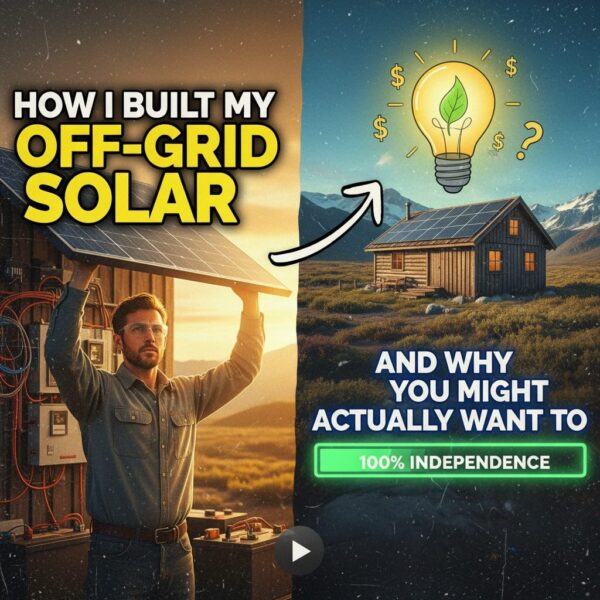


Choosing a solar installer impacts your investment significantly. A qualified solar contractor ensures quality and safety during the installation process.
Verify that candidates are licensed and insured.
Check their years of experience and customer feedback.
These factors help you select a reliable partner.
- Gather multiple quotes to compare pricing and warranties.
- Ensure the installer provides solid performance guarantees.
- Look for excellent customer service to address your needs.
Following these tips leads to a wise decision.
Click here to learn more about: how to make homemade soap at home
Researching Local Solar Companies
Investigating local solar companies helps you make informed choices. Check solar energy trends in your area to understand pricing and availability. Local solar companies may provide unique solar incentives to lower costs.
Assess Company Reputation
Assessing company reputation is essential. Verify licenses and read third-party reviews to gauge reliability. Inquire about the following:
- Status with certifications, like NABCEP
- Experience through completed projects and customer references
- Manufacturer certifications of the equipment used
Compare Service Offerings
To compare service offerings effectively, gather quotes from at least three providers. Pay attention to:
- Warranties and equipment specifications in these quotes
- Proposed timelines for installation
- Customer support, including dedicated points of contact
By conducting thorough research, you ensure a good match for your solar project. Always seek installers with strong local experience and customer satisfaction.

Evaluating Installation Quality Standards
Quality installation significantly impacts the performance of your solar power installation. Certifications, such as NABCEP, verify the credentials of your solar contractor.
These certifications ensure adherence to high quality and safety standards.
Assessing industry benchmarks, like expected energy output, helps in predicting future performance.
Always check for signs of quality workmanship during installation, including the neatness of wiring and equipment placement. Asking the installer about their quality assurance process can provide insights into their installation practices.
By prioritizing these factors, you can enhance the long-term performance of your solar system.
Understanding Solar System Design Options
Effective solar system design aligns closely with your household’s unique energy needs. Evaluating your energy consumption helps determine the appropriate system size and configuration.
Recent technology advancements have expanded options for solar panel arrangements, improving efficiency.
Customization based on geographical factors, such as climate and sunlight exposure, is important for optimal performance.
Consider how certain layouts can enhance solar module efficiency given your specific location.
Customization and Energy Needs
Design options must reflect specific energy needs for best performance. Here are key factors:
- Energy audits: Assess energy consumption to determine system size.
- Residential layouts: Factor in roof orientation and shading.
- Climate considerations: Tailor design to local weather patterns.
Impact of Technology Advancements
Technology advancements shape solar system design choices. Current innovations include:
- Improved solar panel efficiency: New panels convert more sunlight to energy.
- Smart grid integration: Systems can connect to grid-tied networks.
- Battery storage options: Enhance energy independence with backup power systems.
A well-designed solar system not only meets immediate energy demands but also maximizes long-term energy savings throughout its lifespan. Effective solar system design ultimately supports energy efficiency and increases overall satisfaction with renewable energy solutions.
Solar Installation and Design
- Studies show that high-quality installations can increase solar system efficiency by up to 20%.
- According to the U. S. Department of Energy, properly designed solar systems can reduce energy costs by 50% or more over their lifespan.
- Research indicates that solar panels installed with optimal orientation can capture up to 25% more sunlight.
- Battery storage systems can provide backup power for up to 24 hours, enhancing energy independence during outages.
What Are Solar Incentives Available
Solar incentives help lower installation costs for homeowners. These financial benefits can improve your return on investment (ROI).
Federal programs like the Investment Tax Credit (ITC) can cover up to 30% of installation costs.
State programs may vary, including rebates and performance incentives.
Some states even offer sales tax exemptions on solar equipment, making it more affordable.
To maximize benefits, homeowners should:
- ✅ Research available federal and state solar incentives.
- ✅ Consult with a certified solar installer about specific benefits.
- ✅ Evaluate eligibility based on home and energy usage.
- ✅ Gather all necessary documentation for applications.
These efforts can lead to significant energy savings and a greater long-term investment value.
Importance Of Customer Feedback Reviews
Customer feedback shapes trust in solar companies. Reviews often reflect the installation quality and service received. Analyzing both positive and negative reviews can help prospective buyers gauge a company’s reliability. Look for patterns across multiple sources instead of relying on a single review.
To find reliable feedback:
- Use trusted review sites like Yelp and Google Reviews.
- Check local forums and community groups for firsthand experiences.
Detailed reviews enhance service quality and assist customers in making informed choices about their solar power installation.
How to Choose a Solar Installer
Choosing the right solar installer ensures the quality, safety, and efficiency of your solar investment. Proper selection helps avoid installation pitfalls and maximizes system performance.
- ✅ Verify licenses, general liability insurance, and relevant certifications such as NABCEP.
- ✅ Check experience by evaluating years in business, completed projects, and customer references.
- ✅ Research reputation through online reviews, testimonials, and third-party ratings.
- ✅ Compare multiple quotes for pricing, equipment, warranties, and proposed timelines.
- ✅ Confirm the installer uses a professionally trained, in-house team or thoroughly vetted subcontractors.
- ✅ Ask about manufacturer certifications—installers with Gold or Platinum status often provide higher quality installations.
- ✅ Assess customer support, including a dedicated point of contact.
- ✅ Review warranty coverage on workmanship, components, and system performance.
- ✅ Discuss financing options and transparency of all contractual terms.
- ✅ Ensure clear communication and responsiveness to questions or concerns during the process.
Solar Incentives and Installation
- Homeowners can save an average of $10,000 to $30,000 over 20 years with solar incentives.
- According to the U. S. Department of Energy, solar installations have increased by over 167% in the last decade due to incentives.
- States with strong solar incentives have seen a 50% higher adoption rate of solar systems compared to those without.
- Research shows that choosing a certified installer can improve system efficiency by up to 20%.
Exploring Solar Financing Options And Plans
Homeowners should assess solar financing options to make informed choices about renewable energy solutions. Solar financing options can significantly impact affordability and accessibility.
Here are some common methods:
- Solar loans: These loans can lower upfront costs, making solar energy accessible for many households. Be aware of monthly payments and interest rates.
- Cash purchases: Paying in cash allows full ownership without debt. This option requires a significant initial investment but provides long-term savings.
- Solar leases: Renting panels minimizes upfront costs, but it may limit overall savings compared to ownership.
- Power Purchase Agreements (PPAs): With PPAs, you pay only for the energy produced, but you do not own the solar system.
When considering solar financing options, evaluate long-term savings, available solar incentives, and the potential return on investment. Solar rebates and other incentives can improve affordability.
Assessing Performance Guarantees And Warranties
Performance guarantees and warranties are critical for protecting your investment. Warranties assure product longevity and reliability. Here are key aspects to consider:
- Read warranty documents carefully to identify key terms such as duration and coverage conditions.
- Understand what is excluded from the warranty to prevent misunderstandings later.
- Choose reputable solar energy providers that offer strong warranties and comprehensive documentation.
Reputable contractors will ensure that you have a reliable energy supply. Performance guarantees enhance consumer confidence in the solar investment. Make sure to ask about all warranty options, including those covering installation quality and equipment performance.
Evaluate warranties on workmanship, components, and system performance. Also, discuss financing options that may include terms related to these warranties and guarantees.
Solar Financing and Warranties
- According to the Solar Energy Industries Association, solar installations have increased by over 167% in the last decade, highlighting the growing interest in renewable energy.
- Homeowners can save an average of $20,000 over 20 years by switching to solar energy, depending on their location and financing options.
- Many states offer solar incentives and rebates that can cover up to 30% of the installation costs, making solar energy more affordable.
- Warranties for solar panels typically range from 20 to 25 years, ensuring long-term reliability and performance for homeowners.
Identifying Ecofriendly Energy Solutions
Recognizing ecofriendly energy solutions is essential for sustainable development. These options play a role in reducing carbon footprints and promoting environmental health.
By aligning with broader sustainability goals, ecofriendly energy contributes to climate action plans worldwide.
Renewable energy sources, such as solar energy and wind, are examples of this commitment.
Integrating multiple energy solutions enhances efficiency significantly.
For instance, diverse energy sources can increase energy savings by up to 30%. This integration ensures reliability and builds resilience within community energy systems.
Communities are already adopting solar panel systems and wind turbine projects as part of their ecofriendly initiatives. The continued support of renewable energy solutions is important for a sustainable future.
How to Choose a Solar Installer
Choosing the right solar installer ensures the quality, safety, and efficiency of your solar investment.
Proper selection helps avoid installation pitfalls, maximizes system performance, and secures long-term financial benefits.
- Verify licenses, general liability insurance, and relevant certifications such as NABCEP.
- Check experience by evaluating years in business, completed projects, and customer references.
- Research reputation through online reviews, testimonials, and third-party ratings.
- Compare multiple quotes for pricing, equipment, warranties, and proposed timelines.
- Confirm installer uses a professionally trained, in-house team or thoroughly vetted subcontractors.
- Ask about manufacturer certifications—installers with Gold or Platinum status often provide higher quality installations.
- Assess customer support including a dedicated point of contact.
- Review warranty coverage on workmanship, components, and system performance.
- Discuss financing options and transparency of all contractual terms.
- Ensure clear communication and responsiveness to questions or concerns throughout the process.
SEO Entities: Solar installer, solar installation, solar panels, residential solar, solar warranties, NABCEP certification, solar financing.
Always select licensed and insured solar professionals to protect your investment and ensure regulatory compliance. Gather at least three competitive quotes to compare prices, equipment, and services offered. Prioritize installers with strong local experience and customer satisfaction. Seek out companies with current safety training and quality assurance certifications.
Choose installers with direct manufacturer training and certification for the solar brands you prefer. Ask about subcontractor usage and ensure third parties meet the same professional standards. Evaluate financing options and calculate overall cost savings for short- and long-term scenarios. Look for comprehensive warranties covering labor, equipment, and performance.
Demand transparent project timelines and clear communication at every stage. Read recent reviews and request references for completed local projects.
| Criteria for Choosing a Solar Installer | Importance |
|---|---|
| Verify licenses and insurance | Ensures regulatory compliance and protects your investment |
| Check experience and references | Helps gauge reliability and quality of service |
| Compare multiple quotes | Facilitates informed decision-making and cost savings |
| Assess warranty coverage | Provides assurance on workmanship and system performance |