Sustainable living has become more than just a buzzword in recent years. I’ve been amazed at how innovative design techniques can transform ordinary houses into self-sufficient havens.
It’s incredible to see how simple changes in construction and layout can make such a big difference in energy efficiency.
When I first started exploring sustainable architecture, I was totally clueless about thermal mass.
Man, did I learn that lesson the hard way! I remember sweating buckets in my first attempt at an eco-friendly home during summer and shivering like crazy in winter. Now I know better – concrete floors and stone walls are absolute game-changers for storing heat.
Natural lighting is another crucial aspect I’ve come to appreciate. Through trial and error, architects have developed sustainable design principles incorporating thermal mass, natural lighting, energy efficiency, off-grid living strategies, and sun path analysis to create environmentally responsible buildings.
Understanding Sustainable Architecture Principles
Sustainable architecture principles reveal a world of innovation and efficiency in eco-friendly construction. My farmhouse renovation project taught me the power of these concepts. It was a hands-on lesson in applying techniques from maximizing natural lighting to using renewable energy sources.
We started by analyzing the sun path to optimize the building’s orientation. This, along with well-placed windows, boosted natural light and improved heat retention. Small angle adjustments greatly impacted the home’s energy efficiency. We used climate-responsive design elements inspired by earthship construction, aiming for self-sufficiency.
Material choice was crucial. We picked specialized bricks with excellent thermal mass properties. These absorbed heat during the day and released it slowly at night, creating comfort with minimal energy use. Ventilation was also key. We combined cross-ventilation and a solar chimney for natural cooling, reducing the need for air conditioning and improving air quality.
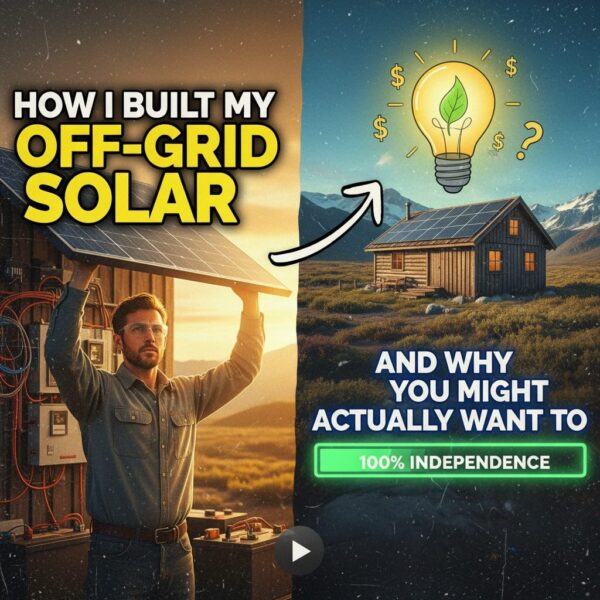
The project included renewable energy systems like solar panels and a small wind turbine. This moved us towards an energy-autonomous building. We focused on the building envelope, using advanced insulation to minimize heat transfer and eliminate thermal bridging.
This renovation showed me the holistic nature of sustainable architecture. It’s about how technologies and materials work together with the environment. The result is efficient, comfortable living spaces. Our transformed farmhouse proves the potential of sustainable design in reshaping our built environment for a greener future.
- Sun path analysis for optimal building orientation
- Strategic window placement for daylighting techniques
- Climate-responsive design inspired by earthship construction
- Use of thermal mass for heat retention and comfort
- Natural ventilation strategies including cross-ventilation and solar chimney
- Integration of renewable energy systems
- Advanced building envelope design to prevent thermal bridging
How Does Thermal Mass Work
Sustainable architecture principles and climate-responsive design strategies create the foundation for comfortable, energy-efficient homes. Thermal mass takes these ideas further, acting as a natural temperature regulator within buildings.
This concept uses materials with high heat capacity to absorb and release heat, creating a more stable indoor environment.
Picture a structure that keeps a pleasant indoor climate regardless of external conditions. This is possible through the smart use of materials with high thermal mass. These materials soak up heat during warm periods and release it slowly when temperatures drop, maintaining a consistent indoor temperature.
The process works like a rechargeable battery for temperature control. On sunny days, materials such as concrete floors, brick walls, or water tanks store heat. As evening approaches and outdoor temperatures fall, these elements gradually release the stored warmth, helping to maintain comfort without relying on artificial heating systems.
This natural heat regulation system also works in reverse during hot seasons. The thermal mass soaks up excess heat during the day, keeping interiors cooler.
At night, when temperatures drop, this stored heat can be expelled outside through proper ventilation strategies, readying the building to repeat the cycle the next day. Effective use of thermal mass requires careful consideration of various factors:
- Material selection: Dense materials like concrete, brick, and stone excel at heat storage.
- Placement: Positioning thermal mass to receive direct sunlight or in areas with good airflow boosts its effectiveness.
- Integration with other systems: Combining thermal mass with proper insulation, shading, and ventilation maximizes its benefits.
- Climate considerations: The effectiveness of thermal mass varies based on local climate and should be tailored accordingly.
Grasping and using the power of thermal mass is key for creating energy-autonomous buildings. By working with natural heat transfer processes, we can greatly reduce reliance on artificial heating and cooling systems, moving closer to self-sufficiency in our living spaces.
The concept of thermal mass aligns with earthship construction principles, which prioritize natural lighting and energy efficiency. These building techniques often incorporate south-facing windows to maximize solar gain and heat retention during colder months.
Thermal mass also plays a crucial role in off-grid living solutions. By harnessing the sun’s energy through sun path analysis and strategic placement of thermal mass elements, buildings can achieve a high degree of energy autonomy.
This approach to construction often involves the use of earth-sheltered homes or berm houses, which utilize the ground’s constant temperature to further stabilize indoor climates. The integration of thermal mass with other passive solar design strategies, such as clerestory windows for daylighting techniques and cross-ventilation for cooling, creates a comprehensive approach to sustainable living.
Maximizing Natural Lighting Techniques
Natural light plays a crucial role in eco-friendly construction. It creates inviting spaces while boosting energy efficiency. Years of hands-on work have taught valuable lessons about brightening rooms effectively.
Understanding light movement through a building is vital for optimal natural lighting. The sun’s position changes throughout the day and seasons, affecting how light enters spaces. This insight came during a farmhouse renovation when one room stayed dark due to overlooking the building’s orientation and its effect on sunlight penetration.
Strategic window placement is essential for harnessing daylight. South-facing windows offer ample illumination and heat gain, while planned shading prevents overheating. Clerestory windows and skylights can bring light into central areas, reducing artificial lighting needs. Reflective surfaces and light-colored interiors amplify natural light, creating brighter spaces.
- Light tubes channel sunlight into windowless areas
- Fiber optic systems expand natural illumination reach
- These solutions work well in deep floor plans or basements
Balancing natural light with thermal comfort requires thoughtful design. Double-paned or low-E windows help maintain indoor temperatures while allowing light transmission. Light shelves and louvers can direct sunlight deeper into rooms while providing shade. These elements contribute to a building’s overall energy performance, working with other sustainable features like cross-ventilation and solar chimneys.
Mastering natural lighting techniques brings us closer to creating truly energy-autonomous buildings. These strategies complement other aspects of sustainable design, fostering spaces that are bright, welcoming, and highly efficient. The art of maximizing natural light shows how thoughtful design can align human needs with environmental stewardship.
Key considerations for natural lighting include:
- Sun path analysis
- Window placement and size
- Reflective surfaces
- Light-directing elements
- Thermal management
By implementing these techniques, buildings can achieve better daylighting, reduced energy consumption, and improved occupant comfort. This approach to lighting design is a cornerstone of sustainable architecture and contributes significantly to creating low-energy housing and self-sufficient living spaces.
Achieving Energy Efficiency Off-Grid
Energy efficiency in off-grid living demands practical solutions and smart design choices. Years of experience have revealed key strategies for harnessing nature’s power sustainably. Building placement is crucial for optimal energy performance.
Sun path analysis helps maximize solar gain in winter, reducing heating needs. Understanding wind patterns enhances natural cooling, creating comfortable spaces without relying on energy-intensive systems.
Climate-responsive design is vital for truly efficient off-grid homes. This approach tailors buildings to local environmental conditions, optimizing performance. Key strategies include:
- Positioning south-facing windows for solar energy capture
- Implementing effective ventilation strategies
- Using shading elements to prevent summer overheating
These methods work with thermal mass and natural lighting to create a holistic sustainable architecture approach. By combining these elements, we achieve remarkable energy efficiency and self-sufficiency levels in off-grid living.
Innovative building techniques further enhance off-grid possibilities. Earth-sheltered homes and berm houses use the ground’s stable temperature for year-round comfort.
Radiant barriers and advanced building envelopes minimize heat transfer, improving thermal comfort. Solar chimneys facilitate natural ventilation, reducing the need for mechanical cooling.
| Sustainable Living Benefits | Common Challenges |
| Lower energy costs | Optimal building orientation |
| Increased self-sufficiency | Balancing heat retention and cooling |
| Reduced environmental impact | Integrating renewable energy systems |
Creating energy-autonomous buildings requires continuous learning and adaptation. Each project offers new insights into balancing design, technology, and nature. Embracing these lessons and innovative approaches brings us closer to sustainable, off-grid living solutions that harmonize with the environment while meeting modern comfort standards.
The use of clerestory windows, solar gain techniques, and proper zoning can significantly improve a home’s energy performance. Implementing heat sink strategies and utilizing phase change materials can enhance thermal storage capabilities. Considering factors like thermal bridging and employing radiant barriers further optimize the building envelope.
Sun Path Analysis Fundamentals
Understanding Solar Movement
Sun path analysis is a key tool in sustainable architecture. It helps create comfortable, energy-efficient buildings that work with nature. This analysis studies the sun’s movement across the sky throughout the year.
The knowledge gained is crucial for optimizing a building’s energy efficiency and thermal comfort. By understanding how sunlight interacts with a structure, we can make smart decisions about window placement, shading devices, and building orientation.
Key Components of Sun Path Analysis
- Seasonal changes in sun angle and intensity
- Latitude’s influence on solar exposure
- Impact of surrounding landscape and buildings
- Best placement for solar panels and collectors
Benefits of Sun Path Analysis in Design
- Better natural lighting, reducing artificial light use
- Improved heat retention in winter and cooling in summer
- Enhanced renewable energy systems for off-grid living
- Greater self-sufficiency through climate-responsive design
Advanced Tools and Techniques
Modern tools like solar declination charts and 3D modeling software have transformed sun path analysis. These resources allow for exact calculations of solar angles and shadow patterns. This precision enables designers to create highly efficient, low-energy housing solutions.
Integrating sun path analysis with other sustainable design strategies, such as proper zoning and radiant barriers, can greatly improve a building’s overall performance. This comprehensive approach is essential for creating energy-autonomous buildings that meet modern comfort standards while reducing environmental impact.
The Future of Sustainable Design
Mastering sun path analysis is increasingly important as we aim for more sustainable living solutions. It’s a basic skill for anyone involved in eco-friendly construction, from DIY enthusiasts to professional architects.
By using the sun’s power through thoughtful design, we move closer to a future of zero-energy buildings and self-sufficient communities. Sun path analysis is crucial in developing earthship construction techniques and other innovative approaches to sustainable housing.
Practical Applications
Sun path analysis guides the placement of south-facing windows for maximum solar gain in winter. It also helps design effective shading for summer cooling. This knowledge is vital for creating earth-sheltered homes that use thermal mass for heat storage.
The analysis also informs ventilation strategies, like the placement of clerestory windows for natural cross-ventilation. In off-grid scenarios, sun path analysis is essential for positioning solar collectors and optimizing energy storage systems.
Challenges and Considerations
While sun path analysis offers many benefits, it also presents challenges. Designers must balance solar gain with potential overheating, especially in regions with extreme climates. The use of phase change materials and thermal bridging techniques can help manage heat transfer effectively.
Additionally, considerations like local building codes and aesthetic preferences may impact the implementation of sun path analysis findings.
Heat Retention Strategies Explained
Heat retention in buildings is crucial for maintaining a comfortable indoor environment and maximizing energy efficiency. It involves more than just adjusting a thermostat; it’s a complex interplay of science and practical knowledge that significantly impacts thermal comfort.
Understanding how heat moves through a building is essential for creating effective heat retention strategies.
Heat travels in three primary ways: conduction, convection, and radiation. Recognizing these processes allows us to identify weak points in a building’s thermal envelope. R-values are vital for effective insulation, directly influencing a structure’s ability to retain heat.
When upgrading an attic, incorporating clerestory windows and ventilation strategies can greatly improve temperature regulation, drawing inspiration from zero-energy building techniques.
Key Points About Home Temperature Control
- Heat movement through buildings occurs via conduction, convection, and radiation
- R-values are crucial for understanding and implementing effective insulation
- Clerestory windows and ventilation strategies enhance attic temperature management
- Zero-energy building concepts offer innovative solutions for efficient home temperature control
Advanced heat retention strategies often involve phase change materials, which can store and release heat as needed. These materials, combined with proper zoning and buffer zones, can significantly enhance a building’s thermal performance.
Incorporating geothermal coupling and night purge techniques can further optimize heat retention and distribution in sustainable architecture.
Thermal bridging is a critical concept in heat retention. By addressing areas where heat easily escapes, such as window frames or wall studs, we can dramatically improve a building’s overall energy efficiency.
Using radiant barriers and reflectors can also contribute to better heat management, especially in earth-sheltered homes or structures utilizing earthship construction techniques.
For off-grid living scenarios, heat retention strategies are even more critical. Integrating these approaches with renewable energy systems and climate-responsive design principles can lead to truly energy-autonomous buildings.
This holistic approach not only enhances self-sufficiency but also contributes to creating sustainable, low-energy housing solutions that prioritize thermal comfort and energy efficiency.
Ventilation Strategies For Comfort
Proper airflow is vital for maintaining thermal comfort and energy efficiency in living spaces. Effective ventilation techniques are essential in sustainable architecture, building upon concepts of sun path analysis and heat retention to create comfortable environments.
Ventilation involves more than opening windows. It requires understanding natural airflow techniques to establish a pleasant indoor climate. Cross-ventilation is a powerful method that creates air movement through a home.
By opening windows on opposite sides of a house, you generate a cooling breeze that naturally refreshes stuffy rooms, improving thermal comfort.
The stack effect is another key concept in ventilation strategies. This occurs when warm air rises, creating natural convection. Designers use this principle with phase change materials and buffer zones to develop efficient heat exchangers.
This approach enhances a building’s overall thermal performance and energy autonomy, contributing to energy-efficient design.
For off-grid living or earthship construction, these ventilation strategies are crucial. Natural ventilation techniques can reduce or eliminate mechanical cooling systems, promoting self-sufficiency and lower energy consumption.
Combining these methods with sustainable design elements, such as clerestory windows or solar chimneys, optimizes a home’s comfort and efficiency, aligning with principles of climate-responsive design.
Advanced ventilation often includes night purge techniques, using cooler nighttime air to lower indoor temperatures. This method works well in climates with significant day-night temperature differences.
Using thermal mass with ventilation helps regulate indoor temperatures, storing coolness from night ventilation and releasing it during warmer daytime hours, enhancing overall thermal comfort.
In climate-responsive design, ventilation is key to creating energy-autonomous buildings. Considering factors like prevailing winds, building orientation, and local climate patterns, architects can design structures that naturally maintain comfortable conditions year-round.
This approach not only improves comfort but also reduces energy needed for heating and cooling, supporting low-energy housing goals.
Mastering these ventilation strategies is increasingly important as we seek sustainable and self-sufficient living solutions.
Whether you’re improving your home or designing energy-efficient buildings, implementing effective ventilation techniques is essential for creating comfortable, efficient, and eco-friendly living spaces that align with sustainable architecture principles.
Key Elements Of Earthship Construction
Earthship construction integrates concepts of sustainable architecture, offering a unique solution for those seeking to reduce their environmental impact. These innovative buildings embody energy efficiency and self-sufficiency principles, pushing the boundaries of eco-friendly design.
Materials and Thermal Mass
Earthships use local, recycled materials like tires, bottles, and cans, reducing waste and environmental impact. The thick walls created from these materials serve as excellent thermal mass, naturally regulating indoor temperatures.
This approach aligns closely with climate-responsive design, enhancing the building envelope and maintaining consistent thermal comfort year-round.
Solar Design and Natural Lighting
A key feature of Earthship design is the strategic use of south-facing windows, maximizing natural lighting and solar gain. This placement allows for optimal sun path analysis, ensuring efficient energy capture throughout the day.
Clerestory windows further enhance daylighting techniques, reducing the need for artificial lighting and improving overall energy efficiency.
Earth-Sheltered Elements
Earthships often incorporate earth-sheltered elements, providing additional insulation and protection from extreme weather conditions.
This approach not only enhances the building envelope but also contributes to maintaining consistent thermal comfort year-round, aligning with the principles of sustainable architecture.
Energy Autonomy and Off-Grid Systems
Advanced Earthship designs incorporate sophisticated systems for energy autonomy. These may include solar panels for electricity generation, rainwater harvesting systems, and on-site waste treatment facilities.
Such features enable off-grid living, making Earthships an attractive option for those seeking true self-sufficiency.
Passive Cooling and Ventilation
Earthships integrate passive cooling techniques, utilizing natural ventilation strategies such as cross-ventilation and the stack effect. These homes can maintain comfortable indoor temperatures without relying on energy-intensive air conditioning systems.
This approach is particularly effective when combined with thermal mass walls, which act as heat sinks, absorbing excess heat during the day and releasing it slowly at night.
Zoning and Energy Distribution
Earthship construction emphasizes proper zoning and the creation of buffer zones within the home. This thoughtful layout helps to optimize energy distribution and maintain thermal equilibrium throughout the living space.
Some designs even incorporate phase change materials and geothermal coupling to further enhance temperature regulation and energy efficiency.
As we continue to seek sustainable solutions for housing, Earthship construction offers valuable insights into creating energy-autonomous buildings.
By combining innovative use of materials with advanced energy management techniques, these structures demonstrate the potential for truly low-energy housing that doesn’t compromise on comfort or functionality.